

5 Things to Remember when Selling at Craft Fairs

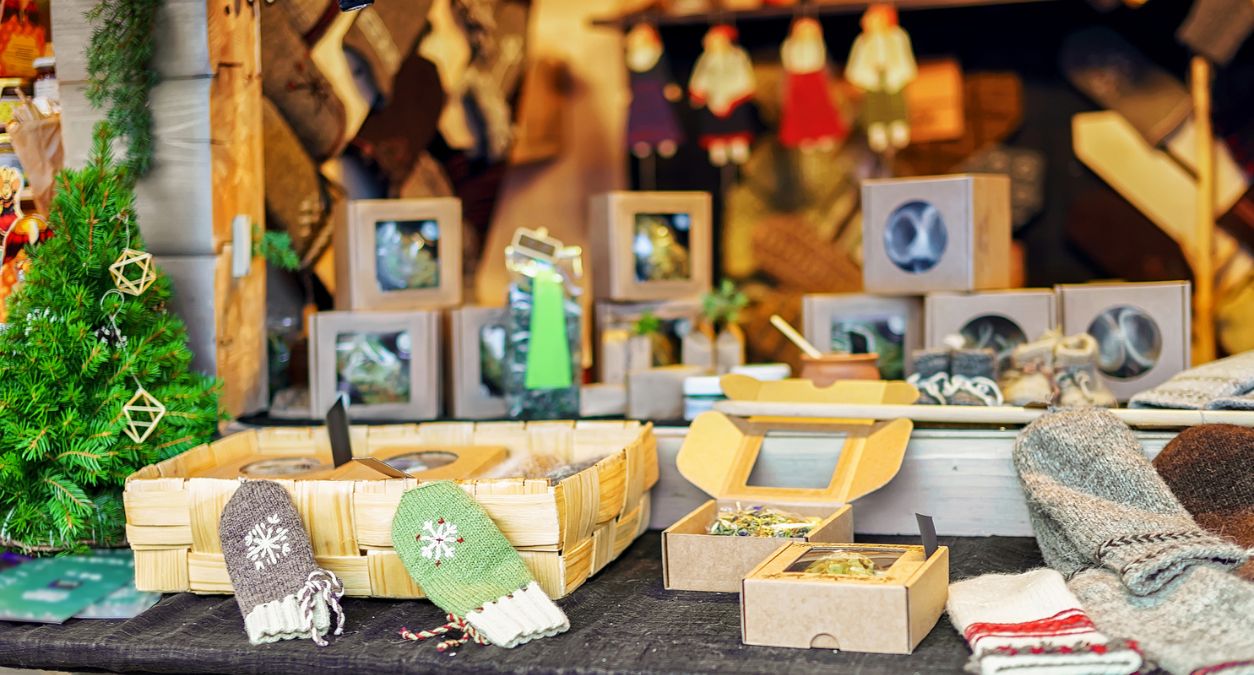
Craft fairs are great events to showcase your products. There are likely to be various fairs throughout the year ranging from craft fairs at school events to Wedding or Christmas Craft Fairs. Some might also have fabulous themes that you can adopt for your own stall, it is certainly worth researching the event, the stallholders and the visitors expected to find the Craft Fair that is most suited to you and your business.

So, you have chosen your event, booked and designed your craft stall, made your products and are ready to sell. But what else should you consider when selling at Craft Fairs?

Here are 5 important things to remember for your next Fair:


Finances

Look at the cost of attending the event vs. the profit that you estimate you could make from it to assess if you can benefit from selling there.

You should also consider the benefit that you will get from promoting your business and showcasing your products.

Track your outgoings, for example the attendance fee or stall hire, cost of materials, transport costs etc and then calculate what you think that you could sell.

This will help you to estimate the finances and then you can review the actual figures after the event to help identify if it is something to repeat in the future.


Insurance

Whilst the organiser of your craft fair will likely have their own event insurance, those attending the fair as a stallholder will probably be asked to take out their own public liability insurance upon booking a stall.

Stallholder insurance typically protects you if a third party makes a claim against you for injury or damage for which you are found to be responsible. Consider also getting insurance cover for your products and equipment in case they get damaged whilst at the Craft Fair. Alternatively, we also offer event cancellation cover which will protect you from the unexpected cancellation, postponement, or interruption of an event due to unforeseen circumstances


Link to Online

Although you may engage with a lot of people at a Craft Fair, you might find that some won’t want to make a purchase that day but do have an interest in your products.

It is important then to give them a second opportunity to review your products.

Direct potential customers to your website or Facebook page.

This way people can view your full range of products in their own time and they may well make a purchase. Make sure that you have business cards/leaflets printed so potential customers can take your business details with them and find you later.


Register Your Business

It is likely that the best way to set up your business is as a sole trader and you can do this through www.gov.uk. As part of this you will register for self-assessment and will need to submit your profit and income each year.


Licences

Depending on what kind of Craft Fair you are selling at, you may need a license to trade. If you are attending an organised Craft Fair, it is likely that the organisers will have obtained a licence to cover the event itself.

However, if you are trading at a market for example, you may need a market stall or street trading licence. Contact your local council to understand what requirements there might be.

It is best to check with the organisers of the event that you are attending if there are any requirements for you to obtain licenses or insurance.

So, consider these factors when planning an event. Then enjoy creating fabulous products to showcase you and your business at your next Craft Fair!

Get Stallholder Insurance from Protectivity


*Disclaimer – This blog has been created as general information and should not be taken as advice. Make sure you have the correct level of insurance for your requirements and always review policy documentation. Information is factually accurate at the time of publishing but may have become out of date. 

Recent Blogs

What is profit margin? Image

Business

What is profit margin?

For many small businesses, sales figures are the headline number. But revenue alone doesn’t determine succes

How to file company accounts online Image

Business

How to file company accounts online

Filing company accounts is one of those jobs that sounds more intimidating than it often is. If you run a small U

Incident insights in pet care: What 2025 claims data tells us Image

Pet Business

Incident insights in pet care: What 2025 claims data tells us

Caring for pets professionally is deeply rewarding, but it also comes with a unique mix of responsibility, unpred

Pros and cons of being VAT registered Image

Business

Pros and cons of being VAT registered

For many small business owners, VAT registration feels like a milestone. It often signals growth – but it can

Business website requirements: is having a website important? Image

Business

Business website requirements: is having a website important?

Most customers start their search for a product or service online. That’s why, for many small businesses, a web

What is PAYE? Image

Business

What is PAYE?

Taking on employees is a major step for any business, but it also brings new legal and financial responsibilities

How to register a business in the UK Image

Business

How to register a business in the UK

Essential steps for independent businesses Starting a business can combine freedom and ambition; the freedom

What is a Purchase Order? Image

Business

What is a Purchase Order?

Managing finances is one of the most demanding aspects of running a small business. As operations grow, so do the

What is the National Minimum Wage for employers Image

Business

What is the National Minimum Wage for employers

The National Minimum Wage plays a crucial role in protecting workers’ pay while shaping employment costs for bu

What is an SME? Small business status explained Image

Business

What is an SME? Small business status explained

If you run an independent business in the UK, whether you’re a freelancer, sole trader, or running a small, lim

Simply find the insurance you need.