


Contributors

My main focus is managing the blog and product content for the Protectivity website ensuring everything aligns wi...
Dog theft is one of those topics we wish we didn’t have to talk about, but if you’re a dog owner or a dog walker (whether professionally or just helping out a friend), it’s a subject well worth understanding. While recent changes in law and greater public awareness have led to a decline in reported dog thefts across the UK, the crime sadly remains a reality for too many people.
We cover the current dog theft landscape, key risks to be aware of, legal developments, and (most importantly) how you can help keep dogs safe, whether you’re walking your own pooch or someone else’s.
Why are dogs targeted for theft?
Dog theft isn’t random. Thieves typically have one or more of the following motives:
- Financial gain: Dogs can be sold on, especially popular or pure breeds, or used for breeding in illegal puppy farms.
- Ransom: Some criminals contact the owner to demand money for the dog’s return.
- Illegal purposes: Although far less common, some dogs are stolen for fighting rings or as status symbols in criminal circles.
- Emotional leverage: Thieves sometimes exploit the emotional bond between owner and pet to manipulate or control.
With demand for pets remaining high post-pandemic, particularly for certain breeds, the risk remains very real.
The dog theft landscape in the UK
There’s some good news this year. Recent data suggests an estimated 1,808 dogs were reported stolen in 2024, a 21% decrease from 2023. While this is encouraging, the problem hasn’t gone away and only around 19% of stolen dogs were reunited with their owners, which is still disappointingly low.
Much of the improvement is being credited to legal reforms and improved police response, along with increased awareness among dog owners and the public.
Get Dog Walking Liability Insurance
The Pet Theft Act
In August 2024, the UK introduced the Pet Abduction Act, marking a significant shift in how dog theft is treated by law.
Previously, pets were legally seen as “property”, meaning stealing a dog was treated much like stealing a bicycle. The new Act recognises animals—particularly dogs—as sentient beings, acknowledging the emotional trauma caused by their theft.
Key outcomes of the new legislation include:
- Pet theft as a separate criminal offence
- Stronger penalties, including potential custodial sentences
- Improved police protocols for investigating cases
- Better data tracking and cooperation with microchip databases
This change has been praised by campaigners and is already believed to have had a deterrent effect.
High-Risk scenarios for dog theft
Certain situations are riskier than others. Whether you’re walking your own dog or someone else’s, here are some common scenarios to avoid:
- Tying dogs up outside shops
- Leaving dogs in cars or unsecured gardens
- Walking in remote areas alone or at night
- Using the same route and time every day
- Sharing real-time locations or personal dog information online
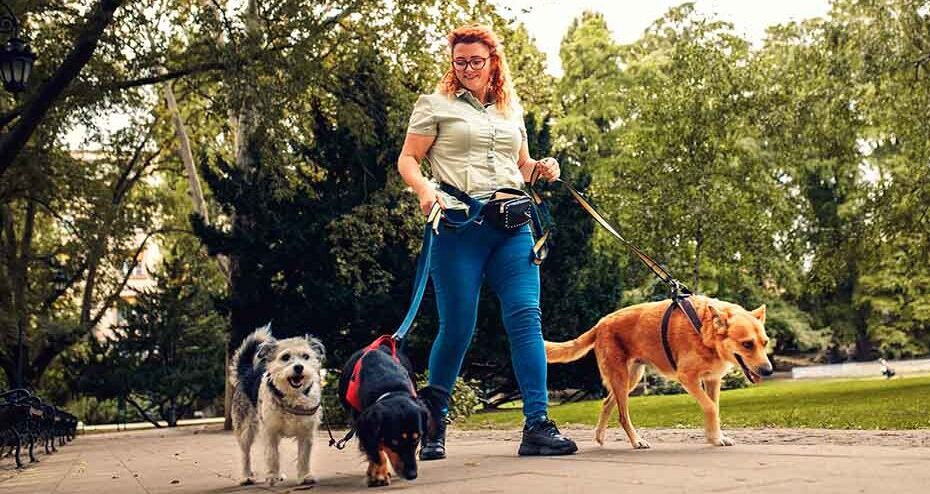
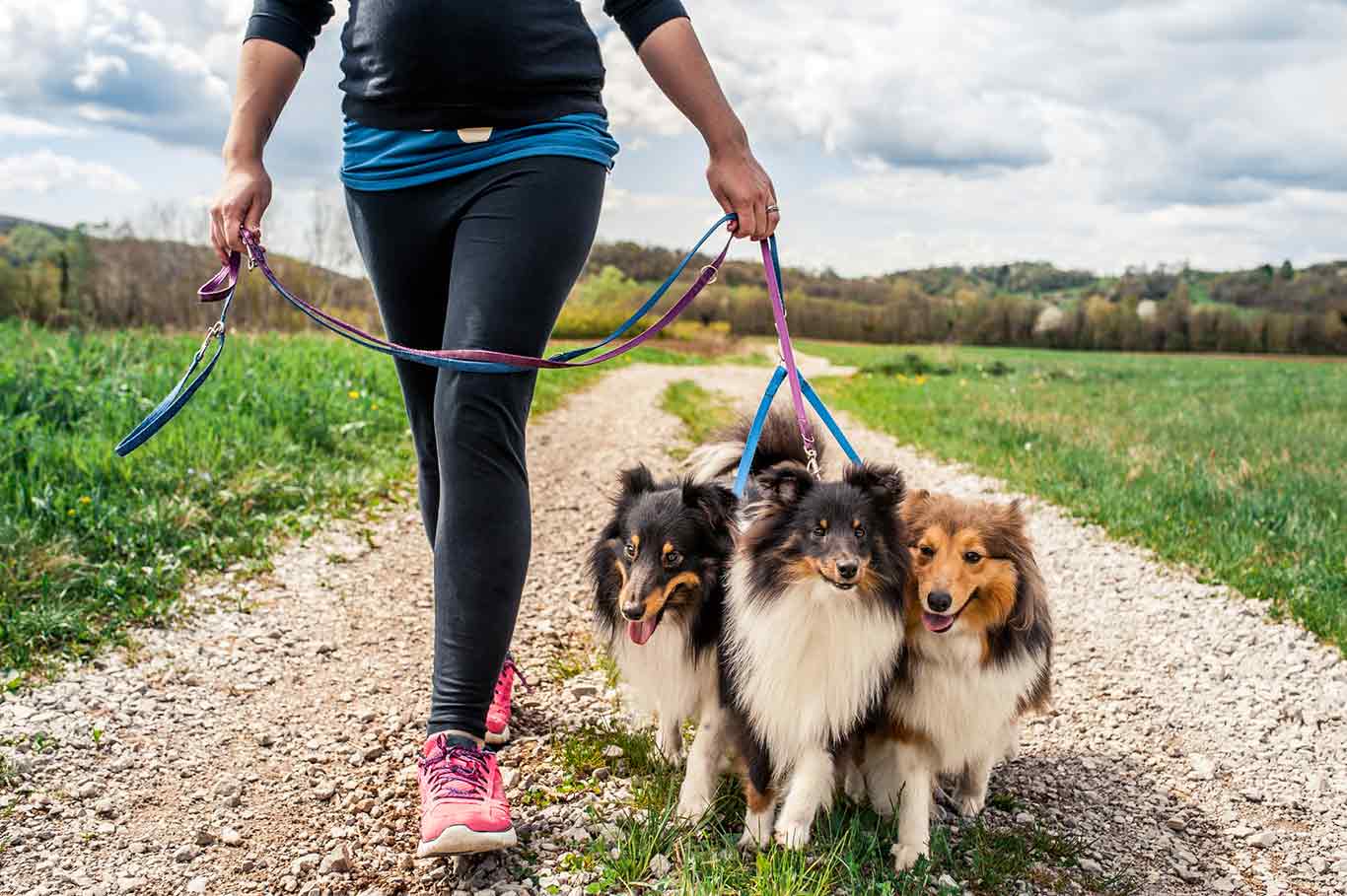
- Taking multiple dogs out without proper control or visibility
Professional thieves often watch patterns and look for lapses in attention.
Breeds most targeted
Some breeds are more at risk due to their popularity or resale value. According to reports:
- Rottweilers saw a 180% increase in thefts year-on-year, topping the list in 2024
- Border Collies remain popular and easily sold on due to their intelligence
- Chihuahuas continue to be targeted, especially in urban areas, due to their size and fashion appeal
Other in-demand designer or pedigree breeds, like French Bulldogs or Dachshunds, also remain frequent targets.
What professional dog walkers need to know
If you walk dogs as part of your job or side hustle, you may be held to a higher standard of care, both morally and legally. Here’s what to consider:
- Use secure leads, harnesses, and identifiable tags
- Avoid walking more dogs than you can control
- Maintain vigilance in parks, car parks, and outside homes
- Secure your transport vehicle or crates properly
- Ensure you have appropriate insurance covering theft, liability, and loss
Being professional isn’t just about walking the walk, it’s about risk awareness too.
Law Enforcement and Action
In addition to the Pet Abduction Act, many police forces have set up dedicated pet crime units or appointed officers responsible for animal-related incidents. There is greater cooperation with organisations like DogLost UK, and improved access to microchip databases, making it easier to track and recover stolen dogs.
Still, reporting and follow-up can vary by region, so being proactive remains crucial.
Prevention tips: Protecting dogs while out and about
Here are some simple but effective ways to deter dog theft:
- Never leave dogs unattended, even for a minute
- Fit dogs with microchips and visible ID tags
- Use GPS tracking collars for added security
- Vary walking routes and times
- Be wary of strangers showing unusual interest
- Avoid tagging real-time locations on social media
- Keep dogs close and under control, even in off-lead areas
For professionals, it’s wise to have a safety checklist for each walk, and to brief clients on your precautions.
What to do if a dog is missing or stolen
If the worst happens, act quickly and systematically:
- Contact the police – report it as a theft, not a lost dog
- Notify the microchip database and confirm your contact details are up to date
- Register the dog as missing with DogLost UK and similar services
- Alert local vets, rescue centres, councils, and dog wardens
- Share posters and posts locally – use caution online and avoid disclosing too much that could attract scammers
- Consider offering a reward, but never pay a ransom without police involvement
Insurance: Are you covered?
Insurance can offer peace of mind, but it’s important to read the small print.
- Pet owners: Ensure your policy includes theft and covers recovery costs or advertising
- Professional walkers: You’ll need Public Liability and policies that cover dogs in your care, custody, or control, including loss or theft
Dog theft might be declining but it’s far from gone. Whether you’re walking your own dog or looking after someone else’s, awareness and vigilance are your best defence. Thanks to new laws and stronger enforcement, we’re moving in the right direction, but prevention is still better than cure.
Take a few simple steps, stay alert, and always walk with care.
Get Dog Walking Insurance from Protectivity
*Disclaimer – This blog has been created as general information and should not be taken as advice. Make sure you have the correct level of insurance for your requirements and always review policy documentation. Information is factually accurate at the time of publishing but may have become out of date.
Last updated by