


Table of contents
Table of contents
Contributors

My main focus is managing the blog and product content for the Protectivity website ensuring everything aligns wi...
One of the biggest areas that can cause stress for sole traders is record keeping. It’s easy to put it off, especially when you’re busy serving clients, but keeping clear, accurate records is one of the most important habits you can build.
Done well, it doesn’t just keep you compliant with HMRC, it gives you clarity, confidence, and control over your business. Done poorly, it can lead to unnecessary tax bills, missed deductions, and even penalties.
This guide walks you through what you need to keep, how long to keep it, and how to stay organised without it taking over your time.
What are the main business records for the self-employed?
In simple terms, business records are anything that shows money coming into or going out of your business.
If you’re a sole trader, there’s no separation between you and your business in the eyes of the law, which means the responsibility for accurate records sits entirely with you. These records form the foundation of your Self-Assessment tax return, so they need to be complete and reliable.
Records can be kept digitally or on paper, but they must be clear, accessible, and accurate enough to support your tax calculations if HMRC ever asks.
Think of them less as paperwork, and more as a running story of your business finances.
Get Business Insurance from Protectivity

What records should a sole trader keep?
A helpful way to think about this is to split your records into income, expenses, and supporting information.
Income records
You need to keep track of everything your business earns. This includes invoices you’ve issued, payments received, and any other income streams.
If you’re a freelancer, this might be client invoices and payment confirmations. If you sell products, it could include online sales reports, till receipts, or platform summaries from places like Etsy or Shopify.
The key is being able to show where your income came from and when you received it.
Expense records
This is where many sole traders miss opportunities.
You’re allowed to deduct legitimate business expenses from your income before calculating tax, but only if you have records to prove them.
This can include things like office supplies, software subscriptions, travel costs, phone bills, and a portion of home expenses if you work from home.
It’s not just about keeping receipts; it’s about understanding what counts as an allowable expense. If you’re unsure, it’s worth reading up on HMRC’s guidance or speaking to an accountant so you don’t miss out or accidentally claim something you shouldn’t.
Financial records
Even if you don’t have a separate business bank account (though it’s often recommended), you still need clear records of your transactions.
Bank statements, loan agreements, and details of any interest paid or received all form part of your financial picture. These help you reconcile your accounts and ensure your records match reality.
Additional records
Some records will depend on the type of work you do.
For example, if you drive for business, you’ll need mileage logs. If you hold stock, you should track inventory levels. If you work from home, you may need records showing how you calculated your household expense split.
These details might feel small, but they can make a big difference to your tax position.
Keeping accurate accounts as a sole trader
This is where record keeping becomes more than just storing documents, it becomes a system.
Accuracy doesn’t come from doing everything perfectly once a year. It comes from small, consistent habits.
Setting aside time each week or month to update your records can make a huge difference. It keeps everything manageable and avoids the end-of-year scramble that many sole traders dread.
Separating your business and personal finances, even if it’s just through a dedicated bank account, can also simplify things enormously. It reduces confusion and makes it easier to track what’s relevant for tax.
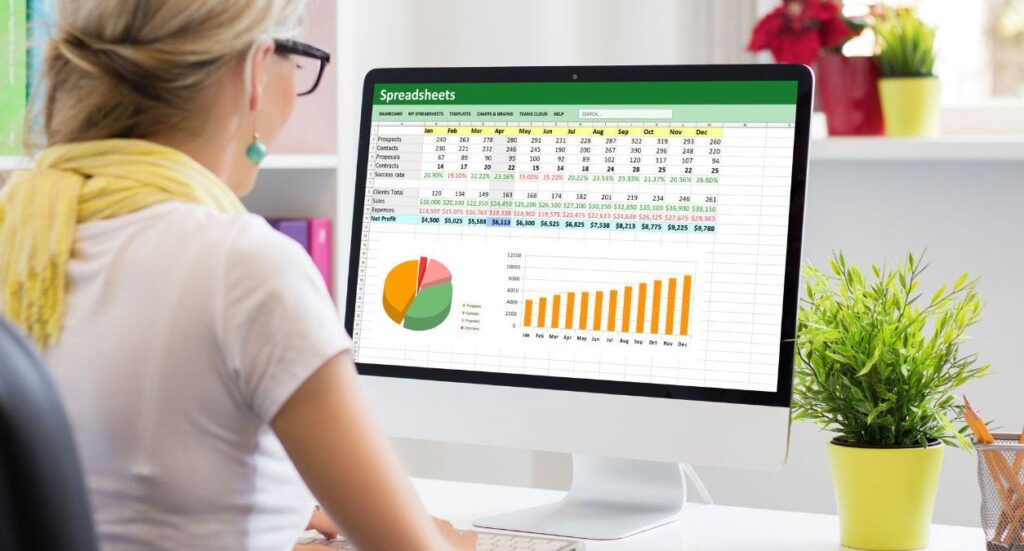
Many sole traders now use accounting software or simple spreadsheets to stay organised. These tools can automate parts of the process, store receipts digitally, and give you a clearer picture of your finances at any time.
Just as importantly, regularly checking your records against your bank statements helps catch mistakes early. This process, often called reconciling, can save a lot of stress later on.
How long should you keep tax records?
HMRC has clear rules on this, and it’s an area you don’t want to get wrong.
You generally need to keep your records for at least five years after the 31st January submission deadline of the relevant tax year.
For example, if you submit your 2024–25 tax return by January 2026, you should keep those records until at least January 2031.
In some cases, you may need to keep them longer, particularly if you submitted your return late or if HMRC is reviewing your records.
It might feel excessive, but having access to past records can be incredibly valuable if questions arise later.
Digital record keeping and the move towards MTD
HMRC is steadily moving towards a more digital tax system through Making Tax Digital (MTD). While not all sole traders are currently required to follow full MTD rules, the direction of travel is clear.
Keeping digital records now can future-proof your business and make your life easier in the process.
Digital systems reduce the risk of lost paperwork, make searching for documents quicker, and often integrate directly with your tax submissions. They also make it easier to stay on top of your finances throughout the year, rather than just at tax time.
If you’re not already using digital tools, this is a good area to explore further.
What happens if you don’t keep proper records?
This is where record keeping shifts from “nice to have” to essential.
If your records are incomplete or inaccurate, you risk submitting incorrect tax returns. That can lead to penalties, interest charges, or further investigation from HMRC.
Even without penalties, poor records often mean you either overpay tax (by missing expenses) or underestimate what you owe, leading to an unpleasant surprise later.
Perhaps most importantly, it creates unnecessary stress. Scrambling to recreate a year’s worth of finances is something most sole traders experience once and then try hard to avoid ever again.
Staying organised avoids overwhelming yourself
The good news is that record keeping doesn’t have to be complicated.
The most effective approach is usually the simplest one you can stick to.
Create a routine. Keep everything in one place. Capture receipts as soon as you get them, whether that’s digitally or in a dedicated folder. Review your finances regularly so nothing builds up.
It can also help to think of this as part of running your business, rather than separate from it. Just like delivering work to clients, managing your finances is a core part of being self-employed.
Other compliance considerations for sole traders
While record keeping is a major part of compliance, it’s not the only one.
Depending on your business, you may also need to think about VAT registration thresholds, data protection responsibilities, insurance requirements, or industry-specific regulations.
It’s worth taking a broader view of compliance early on, so there are no surprises as your business grows.
To sum up…
Keeping records might not be the most exciting part of running a business, but it’s one of the most powerful.
It protects you from mistakes, supports accurate tax returns, and gives you a clearer understanding of how your business is performing.
Start simple, stay consistent, and build a system that works for you. Over time, what once felt like admin becomes a routine and a valuable tool for running your business with confidence.
If you’re unsure about any aspect of your records or tax obligations, it’s always worth seeking professional advice or checking the latest HMRC guidance. A small investment in getting things right can save a lot of time, money, and stress later on.
Protect your business finances with Sole Trader Insurance
As your business grows, so do the risks that come with it. Even if you’re considering going from a sole trader to a limited company, protecting your work and income should remain a priority.
Unexpected issues such as accidental damage or injuries involving third parties could affect your ability to trade. Sole trader insurance can help provide protection and peace of mind while you focus on running your business.
Protectivity offers flexible sole trader insurance designed for self-employed professionals. Explore the cover options available and get a quote today.
Sources
https://www.gov.uk/self-employed-records/how-long-to-keep-your-records
https://www.gov.uk/self-employed-records/what-records-to-keep
*Disclaimer – This blog has been created as general information and should not be taken as advice. Make sure you have the correct level of insurance for your requirements and always review policy documentation. Information is factually accurate at the time of publishing but may have become out of date.
Last updated by