

Table of contents
Contributors

Mandy has been with Starpeak Insurance Solutions since 2018, starting in sales in the consumer department and mov...
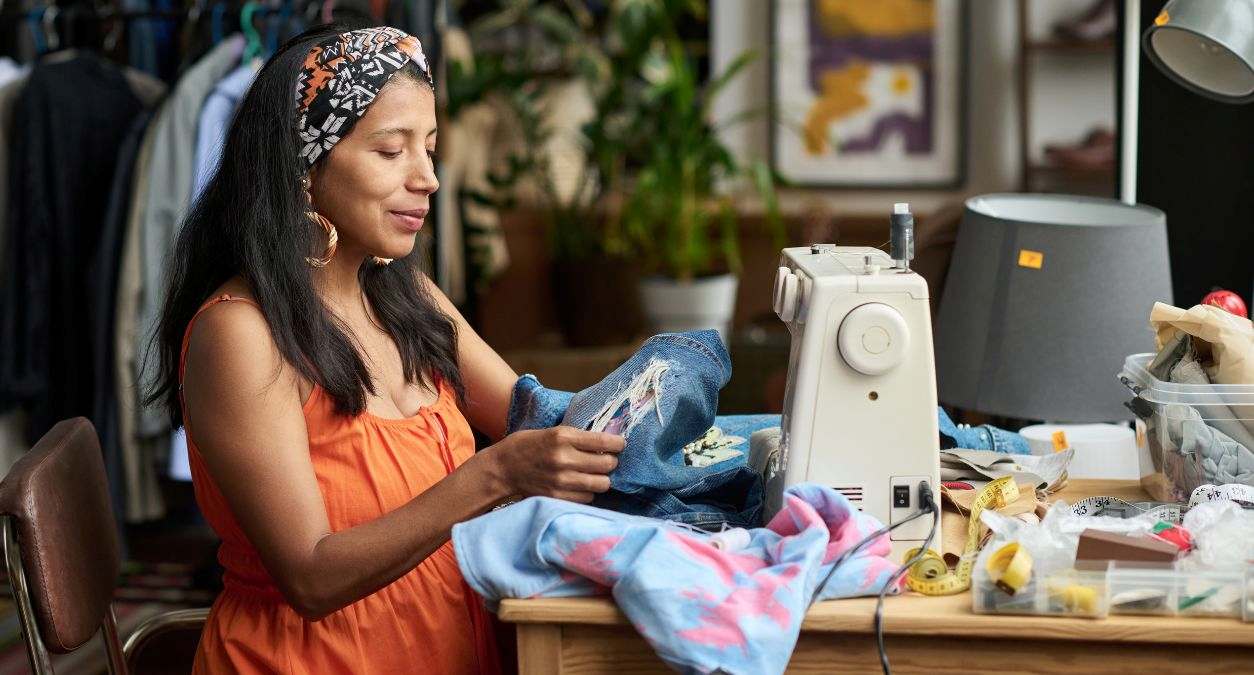
In recent years, there’s been a noticeable shift in consumer habits toward handmade, sustainable, and personalised goods. From reusable household products to quirky pet accessories, the UK craft scene is thriving, and sewing is right at the heart of it.
Whether you’re turning a creative hobby into a profitable side hustle or launching your own full-time craft business, sewing offers a low-cost, high-reward opportunity. But with so many options, how do you decide which sewing projects will bring in the most income?
In this guide, we’ll explore the most profitable sewing projects for a UK-based craft business and offer insights into what sells best, how to price your products, and how to protect your growing business with the right sewing and fashion making insurance.
Why start a sewing craft business in the UK?
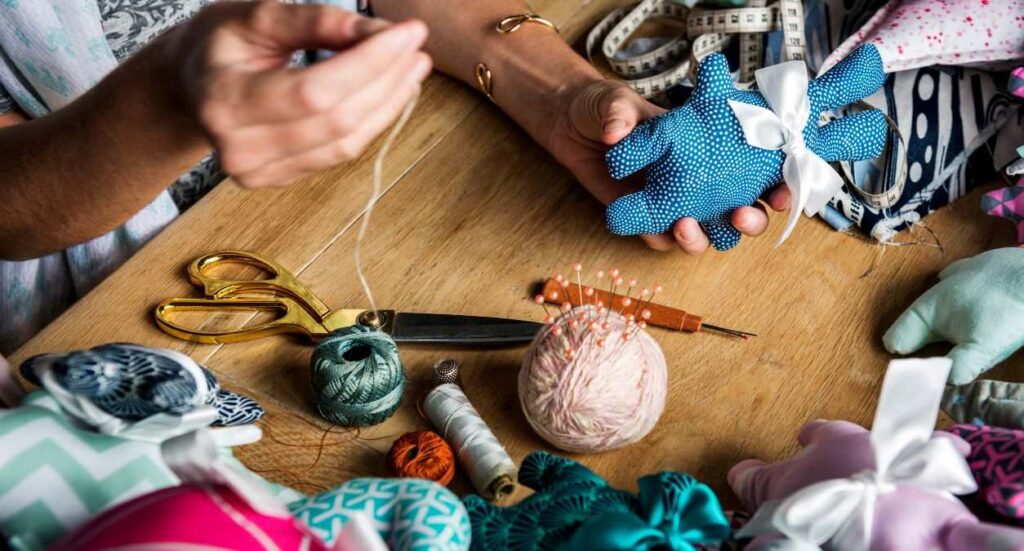
Starting a sewing business in the UK has never been more accessible. With a sewing machine, some fabric, and a spark of creativity, you can create a wide variety of products that appeal to today’s conscious consumers.
Here’s why many UK crafters are diving in:
- Low start-up costs: Most projects require minimal investment in materials and tools.
- Flexibility: Work from home, sell online or at local markets, and scale at your own pace.
- Eco-conscious appeal: Handmade and reusable items are in high demand.
- Supportive marketplace: Platforms like Etsy, Folksy, and Not On The High Street make it easy to reach customers.
Do you need a license to sell handmade crafts in the UK?

This is one of the most common questions for new crafters, but the short answer is: not usually, but there are a few essentials you must take care of.
Register as self-employed
If you’re making money, you’ll need to register with HMRC as a sole trader or business.
Product safety
If you’re selling items like children’s toys or baby accessories, they must meet specific safety regulations.
Label your products properly
Especially if selling textiles (e.g. fibre content, washing instructions).
Insurance
Product liability and public liability insurance are vital to protect your business – especially if attending fairs or selling online.
Most profitable sewing projects to sell in the UK

When it comes to choosing sewing projects to sell, it’s smart to focus on items that are:
- Quick to make
- Low-cost to produce
- In high demand
- Easy to customise or personalise
Here are some of the most profitable categories based on UK trends:
Reusable household items
Examples: Tote bags, fabric bowl covers, beeswax wraps, washable kitchen towels
Eco-friendly and practical, these items are top sellers on marketplaces like Etsy and at local craft fairs. They appeal to environmentally conscious consumers looking to reduce single-use plastics.
- Low cost: Use scrap fabric or fat quarters.
- Fast to make: Often under 30 minutes.
Pet accessories
Examples: Dog bandanas, pet beds, toys, collars
Pet owners are big spenders when it comes to their furry friends. Handmade, stylish accessories can fetch a premium, especially if you offer personalised options.
- High demand: The UK pet industry is worth billions.
- Personalisation adds value: Embroider names or initials.
- Easy to batch produce: Perfect for selling in sets.
Baby and childrens’ items
Examples: Bibs, blankets, fabric books, nursery bunting
Parents and gift-givers love unique, handmade baby items, especially those made with organic or hypoallergenic materials.
- High emotional value: Ideal for baby showers and gifts.
- Consider safety laws: Soft toys and accessories must comply with UK safety standards.
Fashion accessories
Examples: Scrunchies, headbands, scarves, face masks
Fashionable and functional, accessories are one of the easiest ways to start making money with sewing.
- Fast sellers: Scrunchies are still trending!
- Cheap to produce: Minimal fabric and materials needed.
- Seasonal potential: Use festive or trendy fabrics for themed collections.
Home décor
Examples: Cushion covers, table runners, wall hangings, fabric storage baskets
Home décor is a top-selling niche, particularly when items are custom-made or follow current trends (like Scandi or cottagecore).
- Higher perceived value: People are willing to spend more on home items.
- Custom orders welcome: Offer a bespoke service.
Personalised gifts
Examples: Name bunting, embroidered hankies, monogrammed bags
Adding a personal touch can significantly boost your profits. These items are perfect for weddings, birthdays, and special occasions.
- Premium pricing: Personalisation justifies higher costs.
- Great for online orders: Tailored gifts do well on Etsy and Not On The High Street.
Wedding and occasion accessories
Examples: Fabric confetti, ring pillows, bridesmaid robes, party favour bags
These niche items can be incredibly lucrative. People are happy to pay more for handmade, meaningful pieces on their special day.
- Boutique appeal: Perfect for custom orders and luxury pricing.
- Low competition: More room for creativity and standout design.
Crochet & hybrid projects
If you also crochet or want to combine techniques, you can increase your range and appeal. Popular crochet projects to sell include:
- Baby booties
- Plush toys (amigurumi)
- Hats and beanies
- Coasters and cup warmers
How to maximise profit in your sewing business
Selling profitable crafts is more than choosing the right products. Here’s how to boost your income and stand out from the competition:
- Batch production: Make multiple items at once to save time.
- Use remnants and scrap fabric: Reduce costs and offer sustainable options.
- Price smartly: Don’t undersell, factor in time, materials, and platform fees.
- Promote on social media: Instagram and TikTok are ideal for showcasing your creations.
- Seasonal collections: Launch themed items around holidays and events.
Protecting your craft business with insurance
Many crafters overlook one key business requirement: insurance.
Whether you’re selling online, attending markets, or shipping personalised gifts, you need cover to protect yourself and your customers. That’s where Protectivity’s Sewing and Fashion Making Insurance comes in. This policy has been built to provide your business with the cover it may need in the event of an unfortunate accident or incident. The policy offers a range of benefits which can be tailored to your business’ needs:
- Public liability – protection from third-party claims following injury or property damage
- Product liability – cover for any claims arising from any products or goods supplied by you, which has resulted in injury or damage to property
- Equipment cover
- Stock cover
- Optional Employers Liability
Selecting the right insurance helps protect your reputation, your tools, and your income. With proper coverage, you can focus on your craft with confidence, knowing your business is securely protected.
Get sewing and fashion making insurance
To round up…
Starting a sewing business in the UK is a fantastic way to turn your passion into profit. From quick-sell accessories to high-end personalised gifts, there are plenty of sewing projects that can bring in reliable income.
By focusing on popular, low-cost items with high demand – and protecting yourself with the right insurance – you can confidently grow your craft business.
Ready to start selling?
Make sure you’re protected with specialist sewing insurance from Protectivity.
*Disclaimer – This blog has been created as general information and should not be taken as advice. Make sure you have the correct level of insurance for your requirements and always review policy documentation. Information is factually accurate at the time of publishing but may have become out of date.
Last updated by