

Explained – The Changes to the Law in Microchipping

The Microchipping of Dogs (England) Regulations 2015 is a draft bill set to come into action by the 6th April 2016 making it a legal requirement for all dogs in England to be microchipped by 8 weeks old. This means all dogs and owner’s details will be held on databases such as PetLog (managed by The Kennel Club) to ease reuniting lost pets with owners.

The main aim of this legislation is to reduce the number of abandoned animals, with animal rescue centres becoming more and more crowded compulsory microchipping will ensure owners cannot avoid responsibility for their pets.


What is microchipping?

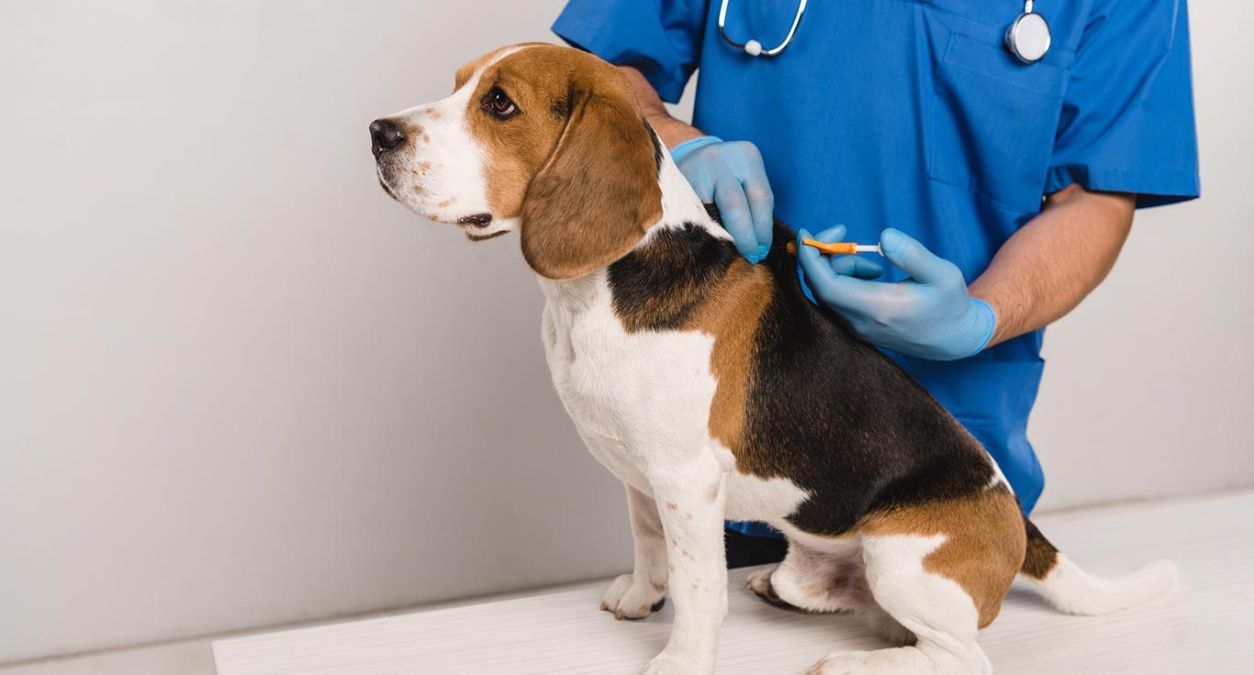
A microchip is the size of a grain of rice and is implanted just under a pet’s skin, usually on their back. This microchip contains a unique code which when scanned contains information about the pet and their owners.

This information is stored on databases and is accessible by veterinary centres, the dog warden service and other animal organisations and can be used whenever a pet is lost to trace their registered owners. It is important for owners to keep this information correct and up to date as owners are required by law to inform their microchip database within 21 days of any changes. If owners fail to microchip their dogs or keep these details up to date they may be liable to a fine of £500.


How do I become a microchipper?

Contrary to popular belief microchipping does not need to be done by a vet but can also be done by a qualified implanter who has undertaken adequate training.

On the 24th February 2015, changes in legislation meant that all training must be carried out by an approved supplier such as PeddyMark or Tracer.

When looking at different training programmes and deciding where to qualify to make sure they have an approved status certificate which should be displayed on their website or you can ask to see this.

Becoming an implanter is easier than you think, it simply takes four hours of one to one training with a qualified instructor. With PeddyMark, trainers travel to you at a time you have specified to ensure the process is entirely at your convenience. Allowing one to one training also means any questions you have will be answered and you will come away a more confident qualified implanter.

What will I need to become a microchipper?

To set up your own pet microchipping business you will need to have space, the correct qualification, equipment, a customer base and most importantly insurance. Within your training, you will cover what health and safety regulations you will need to comply with in regards to your work area and equipment. There may be an initial investment needed to ensure these are all up to standard. Once you have qualified the next step is to find clients, it is worth networking with local breeders, vets, animal shelters, pet training classes and pet businesses to advertise your services.

It is worth getting the word out about your business early as more and more pet owners will be needing a microchipped.

When you are dealing with other people’s pets it is important to have adequate insurance so that if you are found to be negligent and cause an injury to an animal then you will be covered for any legal costs. Visit our pet microchipping page to get a quote.

If you are looking to start your own pet business, microchipping could be a great way to start with only a small amount of training and investment needed.

However, with changes in this area of law, it is important to keep up to date and ensure your training is adequate to ensure your pet microchipping business complies with government standards.


*Disclaimer – This blog has been created as general information and should not be taken as advice. Make sure you have the correct level of insurance for your requirements and always review policy documentation. Information is factually accurate at the time of publishing but may have become out of date. 

Recent Blogs

What is profit margin? Image

Business

What is profit margin?

For many small businesses, sales figures are the headline number. But revenue alone doesn’t determine succes

How to file company accounts online Image

Business

How to file company accounts online

Filing company accounts is one of those jobs that sounds more intimidating than it often is. If you run a small U

Incident insights in pet care: What 2025 claims data tells us Image

Pet Business

Incident insights in pet care: What 2025 claims data tells us

Caring for pets professionally is deeply rewarding, but it also comes with a unique mix of responsibility, unpred

Pros and cons of being VAT registered Image

Business

Pros and cons of being VAT registered

For many small business owners, VAT registration feels like a milestone. It often signals growth – but it can

Business website requirements: is having a website important? Image

Business

Business website requirements: is having a website important?

Most customers start their search for a product or service online. That’s why, for many small businesses, a web

What is PAYE? Image

Business

What is PAYE?

Taking on employees is a major step for any business, but it also brings new legal and financial responsibilities

How to register a business in the UK Image

Business

How to register a business in the UK

Essential steps for independent businesses Starting a business can combine freedom and ambition; the freedom

What is a Purchase Order? Image

Business

What is a Purchase Order?

Managing finances is one of the most demanding aspects of running a small business. As operations grow, so do the

What is the National Minimum Wage for employers Image

Business

What is the National Minimum Wage for employers

The National Minimum Wage plays a crucial role in protecting workers’ pay while shaping employment costs for bu

What is an SME? Small business status explained Image

Business

What is an SME? Small business status explained

If you run an independent business in the UK, whether you’re a freelancer, sole trader, or running a small, lim

Simply find the insurance you need.