


Table of contents
Table of contents
Contributors

My main focus is managing the blog and product content for the Protectivity website ensuring everything aligns wi...
Based on UK small business and catering industry requirements
For many aspiring business owners, it’s not just about making money, it’s about the freedom to build a lifestyle around your ambition, creativity and personality.
That’s exactly why mobile food businesses continue to attract entrepreneurs across the UK and why mobile sandwich businesses, in particular, remain one of the most accessible and rewarding routes into self-employment.
If you’ve got a flair for catering, enjoy working with people, and can spot an opportunity where others see routine, starting a mobile sandwich business could be far more achievable than you think.
From serving office workers their morning breakfast rolls to building a loyal lunchtime following on industrial estates or at local events, mobile sandwich businesses offer flexibility, relatively low startup costs, and the chance to create a business that genuinely feels like your own.
But like any venture, success comes from planning properly, understanding your market, and finding a way to stand out. This guide covers costs, licences, equipment, locations and legal requirements for starting a sandwich van in the UK.
Sandwich startup checklist (the basics)
– Register your food business with your local authority
– Complete food hygiene training
– Secure a suitable van or trailer
– Buy essential equipment (fridges, prep space, payment system)
– Arrange permits or trading locations
– Set up supplier relationships
– Put basic insurance in place
– Launch and promote your business
Get Business Insurance from Protectivity

Why the UK sandwich market still has opportunity
The sandwich industry in the UK is massive, and it’s deeply embedded in British eating habits.
The UK market is expected to reach £8.2 billion by 2027 with an average growth rate of 4.7%. Highlighting the scope of the opportunity still available in this catering sector. Alliance Online
Whether it’s a quick meal deal on a lunch break, a hot breakfast bap before work, or a premium artisan sandwich grabbed on the go, sandwiches remain one of the nation’s favourite convenience foods.
Major chains such as Pret a Manger, Greggs and Subway dominate the high street, but consumer habits are always adapting.
Customers are increasingly looking for:
- fresher ingredients
- locally sourced produce
- healthier options
- premium quality
- independent businesses with personality
This is where mobile operators can thrive.
Unlike fixed premises, mobile sandwich businesses can go directly to customers, industrial estates, office parks, schools, events, markets and commuter routes. That flexibility gives startups a huge advantage, especially in uncertain economic times where adaptability matters.
A mobile setup also allows you to test locations, understand your audience and build a customer base without taking on the overheads of a permanent café or restaurant.
For many entrepreneurs, it’s a smart first step into the food industry.
The appeal of starting your own mobile sandwich business
One of the biggest attractions of a mobile sandwich business is that it offers a realistic route into self-employment without requiring enormous investment upfront. Compared with opening a restaurant, the barriers to entry are far lower.
That doesn’t mean it’s easy, there are still long hours, regulations and financial considerations, but it’s often a more manageable and flexible starting point for ambitious entrepreneurs.
Independence and control
For startup-minded individuals, one of the most rewarding aspects is control.
You decide:
- where you trade
- what you serve
- how your brand looks
- who your customers are
- how quickly you grow
There’s also enormous satisfaction in building repeat business through your own reputation and service. Many successful sandwich van owners become recognised fixtures in their local community, developing loyal customer bases over time.
Lower overheads
Operating from a mobile setup usually means:
- lower rent costs
- fewer staffing requirements
- reduced utility bills
- greater operational flexibility
This can significantly reduce financial pressure in the early stages.
Flexibility to grow
Many successful food businesses start small.
A single van can eventually lead to:
- multiple vehicles
- catering contracts
- festival appearances
- office catering services
- permanent premises
Starting mobile gives you room to learn and evolve without overcommitting too early.
But it’s important to understand the challenges too
While there’s a lot to be excited about, it’s equally important to approach the business realistically. Mobile catering can be demanding work.
Early starts and long days
Preparation often begins before sunrise, especially if you’re serving breakfast or commuter traffic.
Stock management, food prep, cleaning and driving all become part of your routine.
Weather can affect trade
Unlike indoor cafés, mobile businesses are often more exposed to seasonal changes and bad weather. Some locations perform brilliantly in summer but slow down during winter months.
Competition exists
You may face competition from:
- supermarkets
- cafés
- meal deals
- other mobile food vendors
That’s why standing out matters.
Legal requirements and licences for sandwich vans
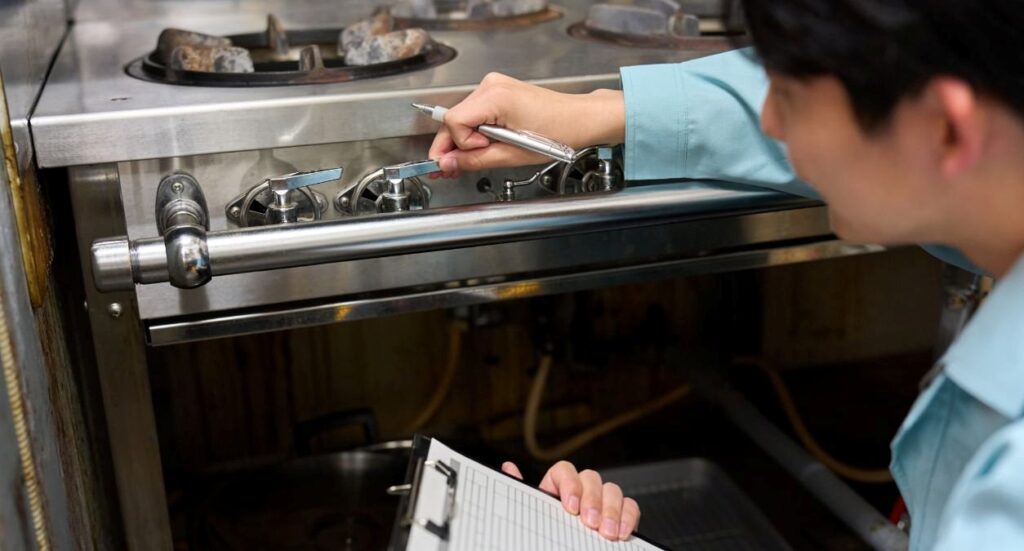
Food businesses in the UK must meet important hygiene and safety standards. You’ll need to consider:
- food business registration
- hygiene training
- local authority permissions
- risk assessments
Insurance
- public liability insurance
- specialist catering insurance
- vehicle insurance
These aren’t obstacles designed to stop you, they’re there to help protect both you and your customers. Getting organised early makes the process far smoother.
What does it cost to start a mobile sandwich business?
Startup costs vary significantly depending on the scale and quality of your setup.
Some entrepreneurs begin with a modest second-hand van and gradually reinvest profits, while others launch with fully branded, professionally fitted catering vehicles.
A basic startup might begin around £5,000–£10,000, while more polished professional setups can easily exceed £20,000 or more.
Typical sandwich business startup costs can include:
Vehicle purchase or conversion
This is usually the largest upfront expense.
Options include:
- second-hand vans
- converted catering vans
- trailers
- custom-built mobile kitchens
Equipment
Depending on your menu, you may need:
- refrigeration
- prep counters
- storage
- coffee machines
- grills or hot plates
- generators
- card payment systems
Initial stock
Your first inventory may include:
- bread and rolls
- meats and fillings
- sauces
- drinks
- packaging
- napkins and disposables
Branding and marketing
Professional branding can make a huge difference.
This may include:
- vehicle wrapping
- logos
- menus
- signage
- social media setup
Insurance and legal costs
Don’t overlook:
- catering insurance
- vehicle cover
- public liability
- stock protection
It’s worth knowing that many successful mobile operators scale gradually over time rather than trying to build everything immediately.
Other FAQs on starting a sandwich business
What licence do I need to run a sandwich van in the UK?
To run a sandwich van in the UK, you must register your food business with your local authority at least 28 days before trading. You’ll also need to comply with food hygiene regulations, which usually means completing basic food hygiene training and following safe food handling practices.
Depending on where you operate, you may also need:
- permission from the landowner or council to trade at specific locations
- a street trading licence in some areas
- appropriate vehicle and business use insurance
Requirements can vary by council, so it’s important to check local rules before starting.
How much does a sandwich van make?
Earnings from a sandwich van can vary widely depending on factors such as location, pricing, footfall, and operating hours.
Many operators generate the majority of their income during breakfast and lunchtime trade, especially in busy areas like industrial estates or office parks.
Typical influencing factors include:
- how busy your trading locations are
- your menu pricing and profit margins
- your ability to build a regular customer base
- whether you expand into events or catering contracts
While income can be steady in good locations, it often takes time to build consistency and repeat business.
Do I need insurance for a sandwich van?
Insurance isn’t always legally required in every situation, but most sandwich van operators choose to have cover in place to help protect their business.
Common types of insurance include:
- public liability insurance (covers injury or property damage involving the public)
- product liability insurance (covers issues related to food and drink sold)
- vehicle insurance for business use
- equipment and stock cover
If you employ staff, you may also be legally required to have employers’ liability insurance.
Having appropriate insurance helps protect against unexpected costs and allows you to trade with greater confidence.
Differentiating your sandwich business
Understanding your customer base
One of the keys to success is knowing exactly who you’re serving. Different customer groups want different things.
Office Workers
Typically value:
- speed
- convenience
- consistency
- meal deals
- coffee options
Tradespeople and Industrial Estates
Often prefer:
- filling portions
- breakfast items
- value for money
- fast service
Students
Usually more price-sensitive but can generate high-volume trade.
Event Customers
Festivals and events can produce strong profits but often involve:
- higher fees
- unpredictable demand
- seasonal trading
Understanding customer behaviour helps shape your menu, pricing and locations.
Finding your niche is where the real opportunity lies
One of the biggest mistakes new food businesses make is trying to appeal to everyone.
The businesses that grow strongest usually have a clear identity. That doesn’t mean limiting yourself, it means giving customers a reason to remember you.
Some popular mobile sandwich niches include:
- Artisan Sandwiches
Premium breads, fresh ingredients and gourmet combinations.
- Health-Focused Menus
High-protein, calorie-conscious or gym-friendly options.
- Vegan and Vegetarian Offerings
Demand continues to grow across the UK.
- Breakfast Specialisation
Breakfast rolls and hot drinks can create reliable morning trade.
- Regional or International Themes
The more personality your business has, the easier it becomes to market.
Choosing the right location for your sandwich van
Even the best sandwiches won’t sell if you’re parked in the wrong place.
Successful operators often spend time researching:
- footfall
- traffic flow
- office density
- nearby competition
- parking access
- customer habits
Many mobile businesses rotate locations throughout the week to maximise trade.
Consistency also matters. Customers are far more likely to return if they know where to find you regularly.
Marketing your sandwich business
Modern mobile food businesses don’t just rely on passing traffic. Social media can become one of your strongest tools. Platforms like Instagram and TikTok are perfect for:
- showcasing food
- building personality
- sharing locations
- promoting specials
- encouraging repeat customers
Simple additions such as loyalty cards, online ordering or office pre-orders can also help create more predictable revenue.
People increasingly buy from brands they connect with personally, especially independent businesses.
Final thoughts
Starting a mobile sandwich business isn’t just about selling food.
It’s hard work, and there are important financial and operational considerations to think through carefully. But for people with energy, commitment and a genuine passion for serving customers, it can also be an incredibly rewarding way to enter the world of business ownership.
The beauty of mobile catering is that you don’t need to start perfectly. You simply need to start thoughtfully.
Research your market. Understand your audience. Find your niche. Build your reputation one customer at a time.
Because sometimes, the smallest food businesses become the biggest opportunities.
Protect your business with sandwich bar insurance from Protectivity
Having appropriate protection isn’t just about ticking boxes, it can give you the confidence and help to focus on building your business knowing you’re operating securely.
If you’re exploring your options, it’s worth looking at providers who understand mobile catering and small business needs, so you can find cover that fits how you work.
At Protectivity, our sandwich bar business insurance is specifically designed to protect mobile and fixed based caterers operating annually or on a one-off basis.
Explore our catering insurance policies with cover for public liability, equipment, stock and much more. Starting from £5.82 a month – get a quote online.
*Disclaimer – This blog has been created as general information and should not be taken as advice. Make sure you have the correct level of insurance for your requirements and always review policy documentation. Information is factually accurate at the time of publishing but may have become out of date.
Last updated by