



Table of contents
Table of contents
Contributors

My main focus is managing the blog and product content for the Protectivity website ensuring everything aligns wi...
Dog walking in the UK is a popular and rewarding profession, but it comes with a set of legal responsibilities and regulations to ensure the safety and well-being of both dogs and the public.
In this comprehensive guide, we will delve into the laws governing dog walking in the UK, covering topics such as legal responsibilities, specific Acts, regulations for different regions, rules and general regulations in 2026, licensing requirements, qualifications, insurance, and best practices.
What are my legal responsibilities as a dog walker?
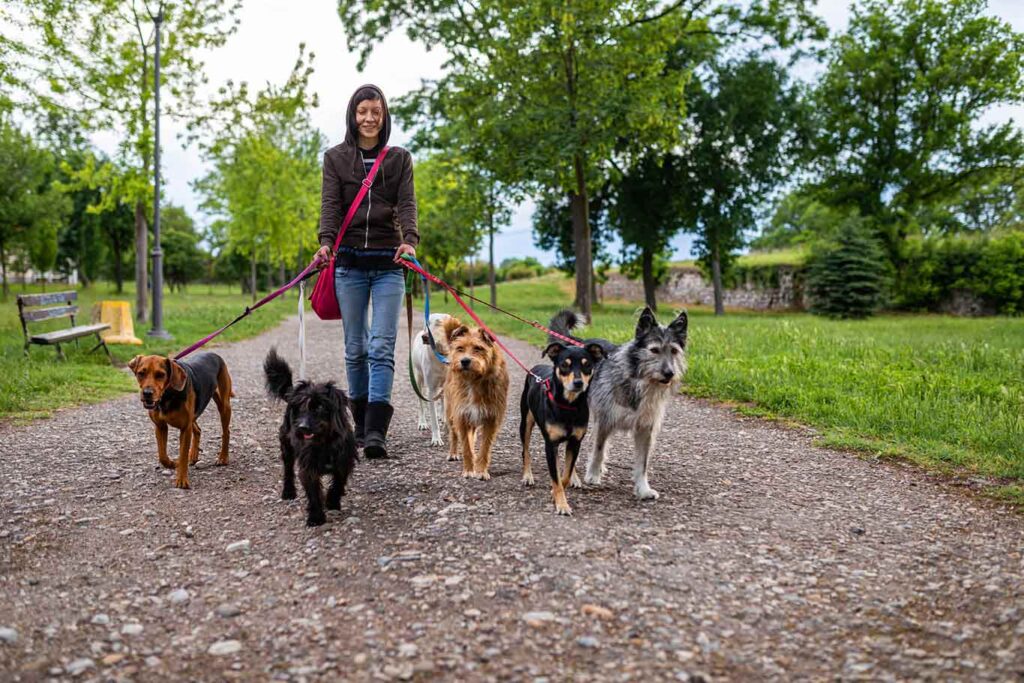
Professional dog walkers in the UK must adhere to various laws and regulations to ensure the safety and welfare of the animals in their care and the public. Understanding these legal responsibilities is crucial for maintaining a reputable and responsible dog walking business.
Breaking the law can result in serious penalties, including fines and, in some circumstances, imprisonment.
Control of dogs Act
The Control of Dogs Act 1992 requires dog owners and walkers to ensure that their dogs are under control in public spaces. This means having the ability to recall the dog and prevent it from causing a nuisance or harm to others. Dog walkers must also be aware of their surroundings, other animals, and people to avoid potential conflicts.
Dangerous Dogs Act
The Dangerous Dogs Act 1991 was enacted to address issues related to dangerous dogs and dog attacks. It bans certain breeds and imposes strict regulations on the ownership and handling of dogs, particularly those considered dangerous. Dog walkers should be aware of these restrictions to avoid legal complications.
Dog Fouling
Dog fouling is a common concern, and the law requires dog walkers to clean up after the dogs in their care. The Clean Neighbourhoods and Environment Act 2005 empowers local authorities to issue fixed penalty notices for failure to clean up dog waste. Responsible dog walkers carry waste bags and dispose of them properly.
Animal Welfare 2006
The Animal Welfare Act 2006 is a comprehensive piece of legislation covering the welfare of animals. Dog walkers must ensure that the dogs they walk are provided with adequate food, water, shelter, and veterinary care. They must also be protected from pain, suffering, injury, and disease.
Regional Differences in Laws and Regulations
England, Scotland, Wales and Northern Ireland have different laws and regulations relating to dogs.
While some legislation applies across Great Britain or the UK, professional dog walkers should be aware of the specific rules that apply in the area where they operate.
England
In England, local authorities can use Public Spaces Protection Orders to introduce restrictions on dogs in specific public areas.
These restrictions can include requiring dogs to be kept on leads, limiting the number of dogs that can be walked by one person, requiring dog walkers to carry waste bags or excluding dogs from particular areas.
Professional dog walkers should check their local council’s current requirements before walking dogs in unfamiliar areas.
Scotland
Scotland has its own rules relating to dogs and livestock, including legislation concerning dogs worrying livestock.
Dog owners and people responsible for dogs should take particular care when walking near livestock and ensure their dogs are under close control.
Wales
Wales has its own legislation and local restrictions concerning dogs.
Professional dog walkers should be aware of local requirements and countryside-access rules, as well as Welsh animal welfare legislation.
The Animal Welfare (Electronic Collars) (Wales) Regulations 2010 also prohibit the use of certain electronic collars on cats and dogs in Wales.
Northern Ireland
Northern Ireland has separate dog control legislation, including the Dogs (Northern Ireland) Order 1983.
This legislation includes controls concerning dogs in public places, prohibited types of dogs and dog licensing.
Professional dog walkers operating in Northern Ireland should check the requirements of their local council.
What are the rules and regulations for dog walking in 2026?
There are several important rules and regulations that dog walkers in the UK should be aware of to operate legally and responsibly in 2026.
Wearing a collar and identification tag
Under the Control of Dogs Order 1992, dogs in public places generally need to wear a collar with the owner’s name and address either inscribed on the collar or on a plate or badge attached to it, subject to limited exceptions.
As a professional dog walker, it is good practice to check that every dog in your care has appropriate identification before leaving the owner’s property.
You should also have the owner’s current contact details readily available in case the dog becomes lost.
Microchipping
All dogs in the UK must be microchipped and registered on an approved database by the time they are eight weeks old, subject to applicable exemptions.
Owners are responsible for keeping their dog’s microchip information up to date.
A failure to comply with the microchipping requirements can result in a fine of up to £500.
Professional dog walkers should obtain accurate emergency and identification information for every dog in their care.
Walking dogs off the lead
There is no general UK-wide requirement for all dogs to be kept on a lead whenever they are in a public place.
However, dogs must be kept under proper control, and local authorities can introduce restrictions in particular areas.
For example, a Public Spaces Protection Order (PSPO) can:
- require dogs to be kept on leads;
- require a dog to be put on a lead when instructed by an authorised person;
- prevent dogs from entering particular areas;
- limit the number of dogs a person can have with them, including professional dog walkers; and
- require dog walkers to clean up after their dogs or carry appropriate waste bags.
Professional dog walkers should therefore check local signs and council guidance before allowing dogs off the lead.
There are also specific legal requirements for dogs on certain designated roads and for dogs on access land. On access land, for example, dogs must be kept on a short lead between 1 March and 31 July and at any time when in the vicinity of livestock.
Dogs and livestock
Professional dog walkers should take particular care when walking near livestock.
Dogs can cause significant injury, distress and suffering to livestock even without physically attacking an animal.
The safest approach for professional dog walkers is to keep dogs on a lead and under close control around livestock and to follow local signs and countryside guidance.
Livestock worrying
One of the key areas for professional dog walkers to understand in 2026 is the law surrounding livestock worrying.
In England and Wales, the Dogs (Protection of Livestock) (Amendment) Act 2025 came into force on 18 March 2026, strengthening and updating the existing law.
Do you need a licence to walk dogs in the UK?
As of 2026, there is no specific license required to walk dogs in the UK. However, if you operate a business that offers dog walking services, you may need to check with your local council regarding any specific requirements or regulations. Some councils may have their own licensing or registration processes to ensure the safety and well-being of animals.
Do you need a qualification to walk dogs in the UK?
While there is no legal requirement for a specific qualification to become a dog walker in the UK, gaining relevant knowledge and skills is highly recommended. Various qualifications are available to enhance your understanding of dog behaviour, first aid, and responsible dog handling.
Qualifications Available:
- Canine First Aid Courses: These courses teach essential first aid skills specific to dogs, ensuring that dog walkers can respond appropriately to emergencies.
- Professional Dog Walker Courses: These comprehensive courses cover a range of topics, including dog behaviour, pack management, and business skills.
- Dog Behaviour and Training Courses: Understanding dog behaviour is crucial for effective communication and managing dogs in a group setting.
Do I need insurance as a professional dog walker?
While not a legal requirement, having insurance is strongly recommended for professional dog walkers. Public liability insurance can provide coverage in case a dog in your care causes injury or damage to third parties or their property. Additionally, it may be beneficial to have insurance that covers veterinary expenses for dogs in your care.
Dog walking responsibility and best practices
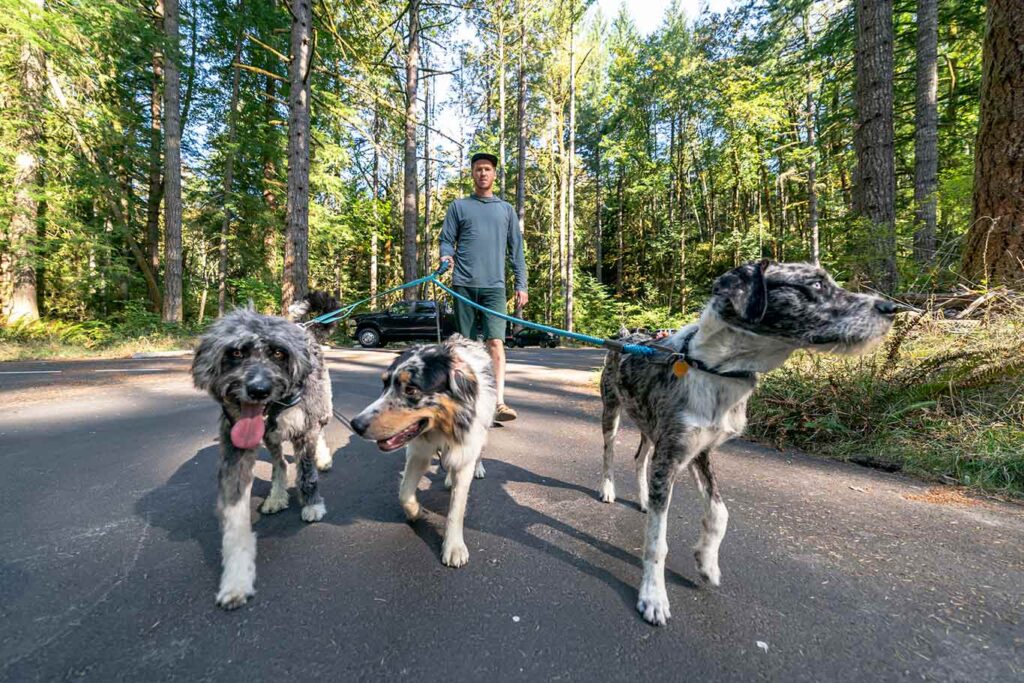
To maintain a successful and ethical dog walking business, it is essential to adhere to certain responsibilities and best practices.
Dog walkers should be mindful of their impact on the environment. This includes cleaning up dog waste, keeping dogs on designated paths, and avoiding sensitive wildlife habitats. Dogs should be well-behaved in public spaces to ensure the safety and comfort of other people. Dog walkers must take steps to prevent their dogs from causing a nuisance or distress.
Stay on Designated Paths:
When walking your dog, stick to established trails and paths. Straying off the route can disturb wildlife and damage fragile habitats1.
Keep Dogs Under Control:
Ensure your dog is under control at all times. Use a leash where required, especially in sensitive areas. Even well-behaved dogs can unintentionally impact wildlife.
Pick Up After Your Dog:
Always clean up after your dog. Carry waste bags and dispose of them properly. Dog waste can introduce harmful bacteria and nutrients into the environment.
Avoid Wildlife Disturbance:
Even if your dog is on a leash, its presence can affect wildlife. Bird species, in particular, may be significantly impacted by the mere presence of dogs. Keep a respectful distance from wildlife and nesting sites.
Be Mindful of Livestock:
Uncontrolled off-leash dogs can harm livestock. Attacks on sheep and other animals have been reported on nature reserves.
Choose Responsible Walking Areas:
Some nature reserves allow dogs on short leads in specific areas. Research and choose dog-friendly locations that balance enjoyment with wildlife protection.
Minimize Group Walks:
Walking dogs in groups increases the risk of disease transmission. Not all dogs get along, so ensure amicable interactions and minimise the spread of disease.
Leash Control:
Keep your dog on a leash in public areas, especially near roads, playgrounds, and crowded spaces. This prevents accidental collisions and ensures everyone’s safety.
Friendly Behaviour:
Train your dog to be friendly and well-behaved around people. Socialize them from an early age to reduce anxiety and aggression.
Ask Permission:
Always ask before allowing your dog to approach someone. Not everyone is comfortable around dogs, and some people may have allergies or fears.
Pick Up Waste:
Clean up after your dog promptly. Nobody wants to step in dog waste, and leaving it behind can create a negative impression.
Avoid Jumping:
Train your dog not to jump on people. Excited jumping can be intimidating or even dangerous, especially for children and elderly individuals.
Respect Personal Space:
Teach your dog to respect personal boundaries. Avoid letting them invade someone else’s space without permission.
Be Mindful of Children:
Some children may be scared of dogs. Always supervise interactions and ensure your dog behaves gently around kids.
What are the penalties and fines in the UK?
Failure to comply with the relevant laws and regulations can result in penalties and fines for dog walkers in the UK. Penalties may vary depending on the nature and severity of the offense. Common penalties include fixed penalty notices for dog fouling, fines for dogs not wearing identification tags, and potential legal consequences for incidents involving dangerous dogs.
Get specialist Dog Walking Insurance with Protectivity
Dog walking insurance is crucial for professional dog walkers, as it provides financial protection against unforeseen incidents. Accidents, injuries, or property damage can occur during walks, and insurance covers medical expenses, legal fees, and potential compensation. This safeguards both your business and the pet owner’s peace of mind, ensuring responsible and secure care for their beloved pets.
Protectivity’s dog walking insurance gives a range of policy options, so you can choose the best level of cover for your needs. Our pet business insurance gives between £1m and £10m worth of cover for your business if members of the public are injured, or their property is damaged. Key cover totals up to £10,000 for costs such as new keys and replacement locks, while our care, custody and control policy comes with up to £100,000 worth of cover if animals in your care are lost, injured, become ill or suffer a death. You can also protect your equipment with £250 worth of cover, along with a range of other options and benefits.
Read more and get a quote online.
Get Dog Walking Insurance from Protectivity
*Disclaimer – This blog has been created as general information and should not be taken as advice. Make sure you have the correct level of insurance for your requirements and always review policy documentation. Information is factually accurate at the time of publishing but may have become out of date.
Last updated by