


Table of contents
Table of contents
Contributors

Mandy has been with Starpeak Insurance Solutions since 2018, starting in sales in the consumer department and mov...
Running a creative workshop is a rewarding way to share your skills, inspire others, and build an additional income stream. Whether you’re a maker, artist, designer, or creative freelancer, workshops allow you to connect with your audience in a meaningful, hands-on way.
From in-person craft workshops to online creative workshops, this guide covers everything you need to know — including what people want from a workshop, popular creative workshop ideas, how to price your sessions, and why insurance is an essential part of running workshops professionally.
Why run a creative workshop?

Creative workshops offer benefits for both hosts and participants. For creatives, they’re a way to diversify income, raise your profile, and build a loyal community around your work. For participants, workshops provide the chance to learn new skills, enjoy a social experience, and create something unique.
With flexible formats now available, workshops can be delivered in studios, community spaces, homes, or online. Whether you’re teaching a one-off session or building a programme of regular classes, workshops are a powerful way to grow your creative business.
What people want from a workshop
Understanding what participants are looking for will help you design a successful creative workshop. Most people value:
- Hands-on learning – Clear techniques and practical guidance they can apply straight away
- A relaxed, welcoming environment – Where creativity feels accessible, not intimidating
- Clear structure – A session that flows well and makes good use of time
- Materials included – Especially for craft workshops where tools or supplies may be specialist
- A sense of achievement – Leaving with a finished piece or new confidence in their skills
Meeting these expectations helps ensure participants enjoy the experience and recommend your workshop to others.
Popular types of creative and craft workshops you can run

There’s a wide variety of creative workshops and craft workshops you can offer, covering many creative and crafter trades. From traditional handcrafts to modern digital skills, workshops can be tailored to beginners, experienced makers, or mixed-ability groups.
Popular workshop types include:
- Textile arts – Knitting, crochet, weaving, embroidery, sewing, and fabric dyeing
- Drawing and printmaking – Watercolour, acrylics, illustration, lino printing, and calligraphy
- Paper crafts – Card making, bookbinding, scrapbooking, origami, and collage
- Ceramics artists – Hand-building, sculpting, glazing, and decorative ceramics
- Photography workshops – Covering camera skills, composition, editing, or creative techniques
- Writing workshops – Poetry, journaling, storytelling, and short-form writing
- Digital creative workshops – Graphic design, digital illustration, creative software skills, and visual content creation
These workshops can be delivered in person or as online creative workshops, allowing creatives to reach wider audiences while sharing their expertise in a flexible format.
How to run a creative workshop
If you’re wondering how to run a creative workshop, breaking the process into manageable steps can help.
- Define Your Workshop Goal – Decide what you want participants to gain — a finished project, a specific skill, or creative confidence. A clear goal helps shape the structure of your workshop.
- Know Your Audience – Consider whether your workshop is aimed at beginners, improvers, or experienced creatives. This will affect pacing, language, and the level of guidance you provide.
- Choose Your Format – In-person workshops work well for tactile crafts and social experiences. Online creative workshops are ideal for digital skills or accessible learning from home.
- Prepare Materials and Space – Provide materials where possible, or clearly communicate what participants need to bring. Ensure your space — physical or digital — is comfortable, safe, and well organised.
- Plan Your Session Structure – A strong workshop structure often includes: a welcome and overview, a demonstration or explanation, hands-on making time and a wrap-up and opportunity to share work
- Promote Your Workshop
Use social media, email newsletters, event platforms, and local listings to reach potential attendees. Clear descriptions, engaging visuals, and a simple booking process all help boost attendance.
Creative workshop planning checklist

Planning a successful creative workshop involves balancing creativity with practical organisation. Whether you’re running in-person craft workshops or hosting online creative workshops, this checklist can help ensure nothing is overlooked.
Before running your workshop, make sure you have:
- Defined the goal of your creative workshop and what participants will learn or create
- Identified your target audience (beginners, improvers, or mixed ability)
- Chosen your workshop format (in-person or online)
- Planned the length and structure of the session
- Prepared all materials, tools, or digital resources needed
- Set up a comfortable, safe, and accessible workspace or online platform such as zoom or teams
- Clearly communicated what’s included in the workshop price
- Priced your creative workshop to cover costs and reflect your expertise
- Promoted your workshop through social media, email, or local listings
- Put creative workshop insurance in place for peace of mind and professionalism
Using a checklist like this helps you feel confident and organised, allowing you to focus on delivering a positive, enjoyable creative experience for your participants.
How to price a creative workshop
Pricing a creative workshop can feel challenging, but a simple approach helps:
- Calculate the cost of materials and the venue
- Factor in preparation, teaching, and follow-up time
- Consider your experience and skill level
- Research similar workshops to understand market expectations
Online workshops may have lower overheads, but your expertise still holds value. Pricing confidently helps position your workshop as a professional, high-quality experience.
The importance of creative workshop insurance
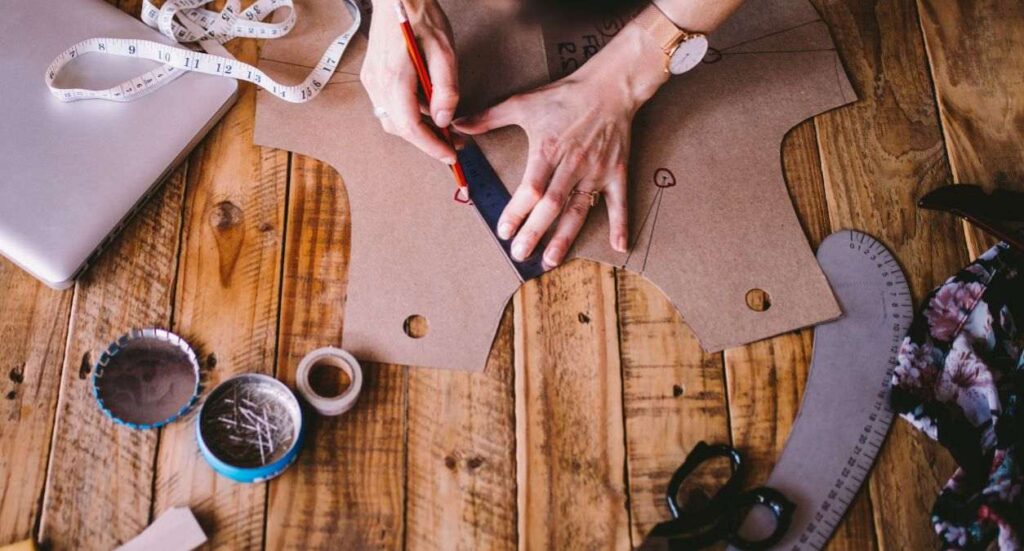
One often overlooked aspect of running creative workshops is insurance. Accidents can happen — someone might injure themselves, spill paint, or accidentally damage property. Creative workshop insurance helps protect both you and your participants, giving you peace of mind and a more professional setup.
Whether you’re running craft workshops in person or hosting online creative workshops, having appropriate cover allows you to focus on delivering an enjoyable creative experience.
How Creatives Insurance from Protectivity can help
Protectivity’s Creatives Insurance is designed for creative professionals, freelancers, and small creative businesses running workshops or offering creative services. It provides flexible cover options, including:
- Public Liability – Protection if a participant or visitor is injured, or property is accidentally damaged during a workshop
- Professional Indemnity (optional) – Protection if a participant claims your teaching or advice caused financial loss
- Business Equipment Cover (optional) – Cover for tools, materials, and equipment used during workshops
- Employers’ Liability (optional) – For creatives who employ assistants or helpers
- Personal Accident & Legal Expenses (optional) – Additional support if you’re injured or face legal costs
By securing creative workshop insurance, you can run workshops confidently, knowing you’re supported while offering participants a safe, professional, and well-organised creative environment.
Final thoughts
Running a creative workshop is a fulfilling way to share your skills, grow your creative business, and connect with others. By understanding what participants want, choosing the right workshop format, pricing thoughtfully, and ensuring you have suitable insurance in place, you can create workshops that are both enjoyable and sustainable.
Whether you’re hosting hands-on craft workshops or delivering online creative workshops, thoughtful planning and professional protection help set your workshops up for long-term success.
Get Creatives Insurance from Protectivity
*Disclaimer – This blog has been created as general information and should not be taken as advice. Make sure you have the correct level of insurance for your requirements and always review policy documentation. Information is factually accurate at the time of publishing but may have become out of date.
Last updated by