

Table of contents
Table of contents
Contributors

Tegan joined the marketing team in 2023 and works as a Marketing Executive, supporting a wide range of activity a...
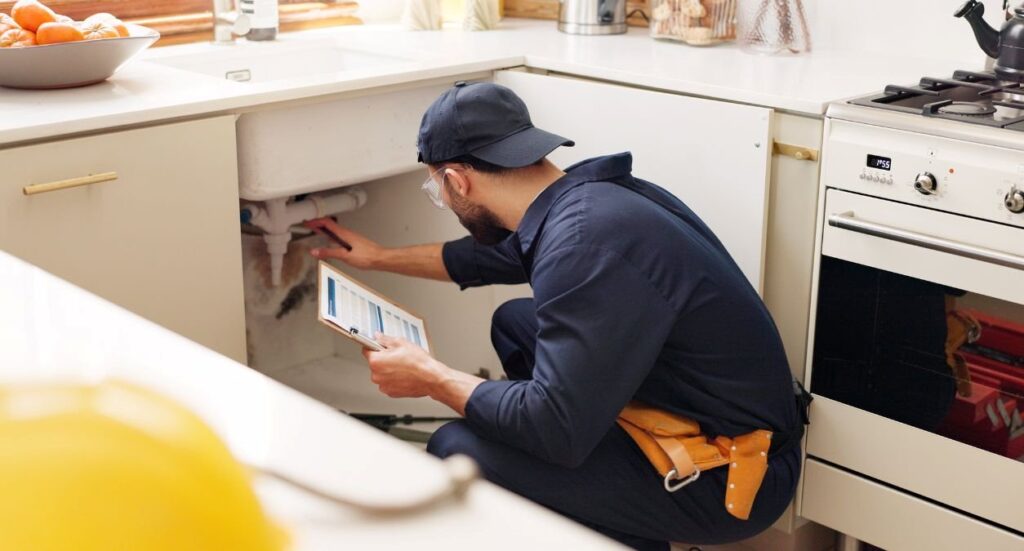
When your work takes you into a customer’s home, completing the job is only part of the responsibility. You’re also entering someone’s personal space, handling their belongings and, in many cases, working around their family, pets and possessions. Most tradespeople understand the basics of working respectfully in a customer’s home, but complaints and claims often arise when something goes wrong or a small mistake turns into a bigger problem.
Whether you’re a builder, plumber, electrician, decorator, cleaner, handyman or another mobile professional, the same issues tend to come up in complaints: damage to property, mess, poor communication, accidents, misunderstandings about the work and disputes over who is responsible.
These problems can affect your reputation, lead to complaints and, in more serious cases, result in a claim for injury or damage to a customer’s property. A few simple precautions can make it easier to deal with problems if they do arise.
From protecting floors and furniture to handling accidents, complaints and records, here’s a look at some of the common mistakes that can cause problems for tradespeople working in customers’ homes.
Poor communication and unclear expectations
Some complaints start before work has even begun. Customers may be frustrated by late arrivals, unclear arrival times or a lack of communication when plans change.
If you’re running late, let the customer know as soon as possible. Even a short phone call or message can prevent frustration, particularly if they’ve taken time off work or made arrangements around your visit.
Before arriving, make sure you understand:
- Where you’re going and where to park
- What work you’re there to complete
- How you will gain access to the property
- Whether there are any specific instructions
- How long you expect the work to take
If something changes once work has started, communicate this promptly. For example, if you discover additional work is required, explain what you’ve found and discuss the options with the customer before proceeding where possible.
Clear communication helps manage expectations and can prevent small issues from turning into complaints. It’s particularly important if the scope of the work changes once you’ve started.
Property damage is one of the bigger risks
Damage to a customer’s property is an obvious source of complaints and potential liability claims. Even where the damage is accidental, the cost of putting it right can be significant.
Before starting work, think about what could potentially be damaged by tools, equipment, dust, water, paint or building materials.
Depending on the job, this might mean:
- Covering floors and carpets
- Protecting furniture
- Moving fragile items away from the work area
- Using dust sheets or protective coverings
- Keeping tools and materials contained
- Taking care around walls, doors and finished surfaces
- Protecting fixtures and fittings from dust or debris
Don’t assume that something is already protected simply because it’s near the work area. If you’re unsure, ask the customer. Taking a few photographs before starting can also help establish the condition of the property and reduce arguments about pre-existing damage.
It can also be useful to take photographs of the work area before you begin, particularly on larger or higher-risk jobs. This provides a record of the property’s condition before work starts and can help avoid disputes about pre-existing damage.
Mess and avoidable hazards
Mess is a common source of dissatisfaction, but an untidy work area can also create a genuine liability risk. Tools, cables, materials and waste left in hallways, on stairs or in other walkways can become trip hazards.
Keep tools, cables, materials and waste within the designated work area wherever possible. Avoid leaving equipment in hallways, on stairs or in other places where someone could trip over it.
At the end of each working day, clear away anything that could present a hazard, particularly if the customer or their family will still be using the property.
If the job takes several days, agree with the customer how you’d like to leave the area between visits.
You don’t necessarily need to clean the entire property, but you should leave the area you have been working in in a reasonable condition.
Damage to belongings and finished surfaces
Customers may have valuable, fragile or sentimental possessions in their homes. You shouldn’t move anything unless it’s necessary for the work — and if you do need to move something, take care.
Ask before moving furniture or belongings, rather than assuming you’re free to rearrange the room.
If an item needs to be moved to access the work area, explain what you’re doing and, where possible, allow the customer to move it themselves.
Be particularly careful around:
- Artwork and photographs
- Electronic equipment
- Antiques and ornaments
- Glassware
If something appears particularly valuable or fragile, flag it with the customer before work begins.
Common-sense etiquette
Most customers will expect basic courtesy, so these points don’t need to become a long list of rules. Common problems include moving belongings without asking, leaving doors or gates open, using customer facilities without permission, smoking inside, playing loud music, or allowing unauthorised people onto the property.
Don’t assume that a pet is friendly or that it’s safe for you to interact with it. Ask the owner before approaching or feeding any animal.
If you’re carrying tools or materials that could be dangerous to children or pets, make sure they’re kept safely out of reach when not in use.
Similarly, don’t leave doors, gates or windows open without considering whether a child or animal could escape.
If you’re working on a property with young children or pets, it can be worth discussing any specific precautions with the customer before starting.
Keys, access and privacy also need common sense
Keys, alarm codes and other access details should be treated carefully. Problems can arise when keys are misplaced, shared with someone who isn’t authorised to enter, or aren’t returned as agreed.
Treat these as confidential and only use them for the agreed purpose.
Don’t lend keys to other people or allow someone else to enter the property unless you’ve been authorised to do so. If you work as part of a team, make sure everyone understands the customer’s access arrangements.
If you’re given a key temporarily, agree on how and when it will be returned.
The same principle applies to alarm codes and other security information. Keep access details private and don’t discuss them unnecessarily.
The same applies to customer privacy. Photographs should only be taken where they’re necessary for the work or the customer has given permission, particularly if they could show personal information, family members or valuables.
When you’re working inside someone’s home, you may see things that you wouldn’t normally encounter in a workplace.
You should respect the customer’s privacy and avoid looking through personal belongings, rooms or documents that aren’t relevant to the job.
Don’t take photographs of personal areas or possessions unless they’re necessary for the work or the customer has given you permission.
If you need to photograph completed work for your website, portfolio or social media, ask the customer’s permission first. Be particularly careful about photographs that could reveal their address, personal information, family members or valuables.
The same basic courtesy applies throughout the visit. Most customers don’t need to be told how to behave professionally, but complaints can arise when tradespeople forget that they’re working in someone’s home.
Good tradesperson etiquette isn’t complicated. Much of it comes down to treating the customer and their home with respect.
Avoid:
- Swearing or using offensive language
- Playing loud music without permission
- Smoking inside the property
- Using the customer’s belongings without asking
- Inviting friends or unauthorised people onto the property
- Using the customer’s facilities without permission
If you need to take a break, use common sense and be considerate.
When something goes wrong: accidents and damage
Even when you’re careful, accidents can happen. A tool might fall and damage a floor, water could escape from plumbing work, paint could spill on furniture, or equipment could damage a wall or fixture.
A tool might fall and damage a floor. Water could escape from plumbing work. Paint could spill on furniture. A piece of equipment could accidentally damage a wall or fixture.
If something does go wrong, don’t try to hide it. Tell the customer as soon as possible, explain what happened and discuss what can be done to put things right.
Being honest and proactive can make a significant difference to how a customer responds to an accident. Trying to hide damage can make a relatively straightforward incident much harder to resolve.
Keep appropriate records of incidents, including photographs where relevant, details of what happened, the condition of the area before work started and any communication with the customer. These records can become important if responsibility is later disputed.
Payment disputes and responsibility
If damage occurs during a job, payment can become a point of disagreement between the customer and the tradesperson.
Whether a customer can withhold payment will depend on the circumstances, the contract and the nature of the dispute. A customer shouldn’t simply assume that they can refuse to pay an invoice because an issue has arisen.
Equally, tradespeople shouldn’t assume that completing the work automatically resolves responsibility for accidental damage.
If a dispute occurs, start by discussing the issue calmly with the customer. Check the terms you agreed before the work started and keep records of the work, invoices and communications.
For significant disputes, you may need to seek independent legal advice.
Dealing with complaints and potential claims
Complaints can be stressful, particularly when you believe you’ve completed the work correctly. Becoming defensive or dismissing the complaint can make matters worse.
The best approach is to remain professional and investigate the issue rather than becoming defensive.
Ask the customer to explain what they believe has happened. If appropriate, inspect the damage and compare it with any photographs or records you took before starting work.
Consider:
- What was the condition of the property before work began?
- What work was carried out?
- Could the work have caused the damage?
- Was the damage reported immediately or after the work was completed?
- What evidence is available?
If you’ve made a mistake, acknowledge it and discuss how it can be rectified.
If you don’t believe you’re responsible, explain why calmly and provide any relevant evidence.
The goal should be to resolve the situation fairly rather than allowing a disagreement to escalate.
Build good habits into every job
The aim isn’t to add unnecessary bureaucracy to every job. Simple habits can make it easier to prevent problems and, if something does go wrong, provide a useful record of what happened.
Before each job, consider creating a simple checklist:
Before arriving
- Confirm the appointment
- Check the scope of work
- Ask about pets, children or access requirements
- Make sure you have the right equipment and protective materials
When you arrive
- Introduce yourself
- Confirm what work you’ll be doing
- Ask about any specific concerns
- Protect floors, furniture and other vulnerable areas
- Take photographs where appropriate
During the job
- Keep tools and materials organised
- Respect the customer’s belongings and privacy
- Communicate any unexpected issues
- Keep the customer updated if the work changes
Before leaving
- Clear away tools and rubbish
- Check the work area
- Make sure you’ve returned any moved belongings
- Close doors and windows as agreed
- Return keys or confirm arrangements for their return
- Tell the customer about anything they need to know
Good practice can reduce risk, but it can’t remove it
Working in a customer’s home involves more than technical skill. Many problems are avoidable, but no business can eliminate every risk of accidental damage, injury or a complaint.
Protecting floors, keeping equipment tidy, respecting privacy, being careful around children and pets, and dealing honestly with any accidents can all help create a better experience for your customers.
No business can eliminate every risk, however. If your work takes you into customers’ homes, it’s worth considering whether public liability insurance is suitable for your business.
And if you’re a builder or contractor, you may also want to consider what other types of cover your business might need.
Read our guide to What Insurance Do Builders Need?
Ultimately, the aim is straightforward: protect the property, communicate clearly, keep sensible records and deal with problems promptly when something goes wrong.
Those principles can help protect your customers, your reputation and your business.
Get Public Liability Insurance from Protectivity
*Disclaimer – This blog has been created as general information and should not be taken as advice. Make sure you have the correct level of insurance for your requirements and always review policy documentation. Information is factually accurate at the time of publishing but may have become out of date.
Last updated by