


Why now is the ideal moment to start a career in the trades

If you’ve been wondering whether a trade career is a good move, there has rarely been a better time to get started. Across the UK, the industries that rely on skilled trades are facing shortages that are only becoming more urgent as older workers retire, construction commitments rise, and demand for renewable technologies multiplies.

Unlike many sectors that are being reshaped, or threatened, by AI, the skilled trades remain firmly grounded in hands-on expertise that simply cannot be automated. In fact, research like the recent MyBuilder report highlights the growing vulnerability of certain creative and office-based jobs to AI disruption, while trade roles continue to offer real-world value, security, and longevity.

Another growing advantage? Mobility. Many countries experiencing similar shortages now offer attractive routes for UK-trained tradespeople, meaning that gaining a trade here opens doors not just to local opportunities, but potentially to life abroad.

Trade skills shortages are widely recognised, and awareness is higher than ever. Looking ahead to 2026, these shortages aren’t just an industry issue, they’re a huge opportunity for anyone considering entering the sector. Whether you’re currently unskilled, thinking about a career change, or wanting work that offers freedom and hands-on satisfaction, a trade provides solid pay, stability, and the potential to build something of your own.


Where are the biggest UK skills shortages?

As we look toward 2026, government and industry data from 2024–2025 predicts deepening shortages across several essential trades. These gaps are driven by rising demand, an ageing workforce, and ambitious national targets for housing and renewable energy.

Below are the trades where demand is strongest and where opportunities for new entrants are only expected to grow.

Electricians

Electricians sit at the centre of the UK’s transition to a greener, smarter, more electrified world. The country needs thousands more qualified electricians to keep pace with:

  • EV charging point rollout
  • Solar panel installation
  • Heat pump and low-carbon heating systems
  • Smart home wiring and automation
  • Expanding commercial electrical infrastructure

 Why this trade is appealing

  • One of the highest-earning trades
  • Strong pathways to self-employment
  • Future-proof, tech-driven work
  • Opportunities to specialise (renewables, EV, testing & inspection)


Plumbers & Heating Engineers

Heating and plumbing remain among the most in-demand trades, especially as the UK transitions to greener domestic heating.

Demand is driven by:

  • New-build housing targets
  • Upgrades to older housing stock
  • Heat pump installation
  • Commercial refurbishment
  • A significant number of plumbers retiring

 Why this trade is appealing

  • Consistent year-round work
  • Mix of domestic and commercial opportunities
  • Valuable emergency/repair income stream

Many areas already face long waiting times for reliable plumbers creating clear openings for new trainees.


Bricklayers

Bricklayers are essential to the UK’s construction pipeline and play a crucial role in meeting national housing targets. With large-scale developments planned across England, Scotland, Wales and Northern Ireland, bricklaying skills are needed more than ever, particularly in regions outside major cities where shortages are most acute.

Bricklayers work focuses on:

  • New-build housing sites
  • Commercial and industrial buildings
  • Extensions and renovations
  • Structural brick and block work
  • Restoration of older or heritage properties

 Why this trade is appealing:

  • Consistent demand on sites nationwide
  • A straightforward entry route through apprenticeships or labouring
  • Clear progression into specialist brickwork or site management
  • Strong earning potential for experienced or fast, efficient workers
  • A hands-on job ideal for people who enjoy physical work and seeing visible progress

Find out more about how to become a bricklayer.


Carpenters & Joiners

Carpenters and joiners are some of the most versatile tradespeople in construction, involved in everything from framing and roofing to intricate interior finishes. As home improvement spending rises and new housing developments expand, demand for carpenters is at its highest level in years.

Carpentry and joinery skills are needed for:

  • First fix work (structural frames, floors, roofs)
  • Second fix work (doors, skirting, staircases)
  • Bespoke joinery and cabinetry
  • Kitchen and bathroom installations
  • Renovations, loft conversions and home extensions
  • Timber-frame housing (a rapidly growing area in the UK)

 Why this trade is appealing:

  • A mix of creative, detailed work and practical construction skills
  • Opportunities to specialise in high-earning niches (e.g., bespoke furniture, heritage carpentry)
  • Great flexibility—many carpenters go self-employed early in their careers
  • A strong pipeline of domestic and commercial work year-round
  • Ideal for those who enjoy craftsmanship, precision and building things that last

Find out more about the difference between carpenters and joiners.

Welders & Fabricators

Welding shortages affect multiple UK industries including:

  • Manufacturing
  • Marine and shipbuilding
  • Rail and infrastructure
  • Oil, gas and renewables
  • Engineering and fabrication shops

Coded and specialist welders are particularly scarce, often commanding premium pay.

 Why this trade is appealing:

  • High earning potential
  • Opportunities to travel or work internationally
  • Highly respected technical skill set
  • Clear progression from trainee to coded welder


Groundwork

Groundworkers are essential to almost every construction project. They prepare sites, lay foundations, install drainage, and support everything that happens above ground.

Shortages are rising due to:

  • Large-scale housing projects
  • Major infrastructure schemes (roads, rail, utilities)
  • A wave of retirements in civil engineering-related trades

 Why this trade is appealing

  • One of the best entry-level trades
  • Fast progression into plant operation (digger/roller)
  • Good earning potential on large sites
  • Ideal for those who enjoy outdoor work and physical activity


Why these shortages matter & opportunities

Shortages across the sector mean that employers are extremely open to hiring new talent, including those with no experience. Right now, UK employers are actively seeking:

  • Apprentices
  • Trainees
  • Labourers willing to learn
  • Career changers
  • Adults returning to work
  • People with transferable skills who are ready to progress

You don’t need a degree or specialised background just a willingness to learn, work hard, and be reliable.


Trades offer something office jobs often don’t:

  • The satisfaction of building something real
  • Problem-solving and variety
  • Visible daily progress
  • Earning while learning
  • Career progression without university debt
  • A realistic pathway to self-employment or running a business

For practical, hands-on people, this sector provides both stability and freedom.


Earning potential compared to office jobs

While office and administrative roles are increasingly affected by automation and AI, the skilled trades offer stable, high-earning salaries and they remain resistant to technological displacement.

Typical UK earning averages for sole traders:

  • Electrician: £40,000+
  • Plumber/Heating Engineer: £46,000+
  • Carpenter/Joiner: £37,000+
  • Welder: £40,000+
  • Groundworker: £37,000

Source: Checkatrade

And unlike many career pathways, you can start earning from day one of your training.


Training routes: How to get started

There are several accessible pathways into UK trade careers even if you have no qualifications or experience. 

1. Apprenticeships

The classic route, fully supported by the UK government. Benefits include:

  • Paid employment
  • No tuition fees
  • Industry-recognised qualifications
  • Practical, real-world experience

Apprenticeships are available for ages 16+, making them ideal entry point.


2. On-the-job training

Many employers will take on:

  • Labourers
  • Mates/helpers
  • Trainee technicians
  • Site operatives

You learn directly on site, often with opportunities to take formal qualifications later.


3. Skills bootcamps

Government-funded bootcamps offer:

  • Short, job-focused training
  • Fast entry into high-demand roles
  • Links to employers at the end

These are ideal for people wanting a quicker route into work.


4. College courses

Local colleges offer Level 1–3 courses in:

  • Electrical installation
  • Plumbing
  • Carpentry
  • Welding
  • Bricklaying

These can be combined with part-time work or apprenticeships.


Government support: What’s being done?

The UK government recognises the urgency of trade shortages and is investing heavily in:

  • Apprenticeship incentives for employers
  • Green Skills Bootcamps
  • Funding for construction & engineering training centres
  • Grants for employers hiring apprentices
  • Fast-track training for adults
  • Skills support for job seekers and career changers

All of this makes it easier than ever for new entrants to get started, even if you’re beginning from scratch.


Taking advantage of these opportunities

If you’re considering entering the trades, here are practical steps to get going:


Explore different trades

Get a feel for what interests you.

Visit:

  • College open days
  • Trade career fairs
  • Local employers
  • Online trade job boards


Take a short introductory course

A basic construction or electrical taster course can build confidence and help you decide which trade to pursue.


Look for entry-level roles

Positions like “labourer or “trainee technician” give you hands-on experience right away.


Speak to people already in the trade

Most tradespeople are happy to share advice, and they often know employers looking for help.


A path to independence

One of the biggest attractions of the trades is the potential for independent working. After a few years of experience, many tradespeople go self-employed or start small businesses in:

  • Electrical services
  • Plumbing & heating
  • Carpentry
  • Welding & fabrication
  • Handyman/maintenance services

If you value autonomy, flexible working, and the idea of being your own boss, the trades offer a genuinely achievable route.


Final Thoughts

The UK is heading into 2026 with a significant and growing need for skilled tradespeople. For individuals willing to learn, the opportunities are enormous; better pay, stable work, varied projects, and a clear pathway to independence.

Whether you’re a school leaver, someone considering a career change, or simply looking for a job with purpose and progression, now is the perfect moment to explore the trades. With strong demand, government support, and multiple training routes available, you can start building a rewarding future from day one.

Get Tradesperson Insurance from Protectivity

Explore our tradesperson policies from Protectivity

When you’ve settled on a pathway towards a skilled trade, if you do any independent work, you’ll need a tradesperson insurance policy to protect you.

At Protectivity, we provide affordable tradesman insurance to cover incidents commonly faced by tradespeople, including tools of trade theft. Our policies include Public Liability up to £5 million as standard, with the option to add Employers’ Liability insurance, Contractor Works cover, and Plant and Tools cover. With Plant and Tools cover, you can protect your own tools, as well as your employees’ tools, even when left in an unattended van or offsite.

Focus on your work without worrying about the security of your van or tools. Don’t become another statistic – find out more about our specialist tools cover today!

Whether you’re a carpenter, electrician, painter, builder, handyman, or in another trade, take two minutes to explore our trades policies. Protect yourself from unexpected costs when unforeseen circumstances arise.


Sources: Checkatrade, MyBuilder


*Disclaimer – This blog has been created as general information and should not be taken as advice. Make sure you have the correct level of insurance for your requirements and always review policy documentation. Information is factually accurate at the time of publishing but may have become out of date. 

Hiring a dog walker has become one of the most common services among pet owners in the UK. With busier schedules, long commutes, and more people returning to the office, the need for professional dog walking continues to grow. As a result, many owners are asking an increasingly popular question: what are dog walking prices in 2026?

Whether you’re a dog owner planning your monthly budget or someone considering launching a pet-care business, understanding typical dog walking rates UK can help you make an informed decision. In this guide, we explore the average price for dog walking, what’s included in the service, how rates vary across the country, and the factors shaping costs now and, in the years, ahead. We’ll also look at why insurance, an often overlooked detail, matters.


Average dog walking prices UK 2026

Dog walking prices continue to rise gradually year-on-year. In 2026, the average dog walking rates per hour sit between £16 and £25, although the actual price you pay depends on several factors including location, whether the walk is solo or group-based, and the dog walker’s level of training and experience.

Most owners tend to book one-hour walks, although half-hour and extended sessions are available. Half-hour walks usually range from £10 to £15, while a full hour costs £16 to £25. Group walks, where owners’ dogs are walked together, are generally cheaper, whereas solo walks command a premium because they require dedicated attention and time.

Type of walk


Average price 2026


30-minute solo walk£10–£15
60-minute solo walk£16–£25
30-minute group walk£8–£12
60-minute group walk£12–£18
Additional dog (same household)+£4–£8


This gives a useful baseline when comparing dog walking rates, though location remains one of the biggest determinants of cost.


Regional variation in dog walking rates

Dog walking prices vary significantly from region to region. London and surrounding commuter areas in the Southeast consistently display the highest dog walking prices per hour, mostly due to increased demand and higher living costs. In contrast, dog walkers in Scotland, Wales, and the North of England generally charge at the lower end of the scale.


Region


Approx. Hourly Price


London£20–£30
South East£18–£26
South West£14–£22
Midlands£14–£20
North West£12–£18
North East£12–£18
Wales£12–£17
Scotland£12–£18
Northern Ireland£12–£17


Urban areas tend to experience greater demand for services, giving walkers justification to charge more. Competition does exist, but many walkers offering professional qualifications or enhanced services, such as GPS tracking, can still command premium pricing.

Rural regions often come with lower average dog walking rates, although this can be offset by longer travel distances, which may lead to travel charges or minimum booking requirements. The key takeaway is that dog walking prices are not uniform; they reflect local living costs, competition, and accessibility.


What’s included in dog walking service rates?

While prices are important, understanding what is actually included helps determine what offers good value. Standard dog walking services usually involve pick-up and drop-off and a full 30 or 60 minute walk. Most walkers will provide fresh water, treat rewards if permitted, and occasionally short training reinforcement such as lead manners or recall support. Some will also send owners walk notes or photos afterwards, an addition that many customers particularly appreciate.

Increasingly, walkers are using technology such as GPS walk-tracking, which allows owners to see where their dog has been. For many, this alone justifies a slightly higher fee, as it reassures them their dog received the attention they paid for.

For owners with puppies, senior dogs, or dogs with medical conditions, walkers might offer tailored home visits or medication administration. Such extras understandably increase the average price for dog walking, especially when they require specialist knowledge.


How experience and qualifications influence your pricing

Dog walkers enter the profession with varying backgrounds. Some are new to the industry, while others bring formal training in areas such as canine behaviour, canine first aid, or have accumulated years of practical experience.

Walkers with recognised certifications or advanced behavioural knowledge naturally position themselves at the higher end of the pricing spectrum. This expertise is particularly valuable when working with reactive dogs, those requiring additional support, or clients who want a more structured and enriched walking experience. These walkers also tend to offer more comprehensive updates, thoughtful enrichment planning, and confident, safe group-walk management.

Across the industry, many insured and well-reviewed professionals commonly charge between £18 and £30 per hour, demonstrating how specialist skills and experience can appropriately influence your rates.


Why dog walking insurance matters

Insurance is an essential part of running a professional dog walking business. Even the most careful walker can encounter unexpected situations. Dog walking insurance typically provides public liability cover, which protects the walker if a dog in their care injures someone or damages property. Policies may also cover loss of keys, veterinary fees, employers liability, and equipment.

From the owner’s perspective, hiring an insured walker provides reassurance. It’s a sign of professionalism and signals that a walker takes their responsibilities seriously. This peace of mind is often reflected in price; insured walkers may charge more but bring reduced risk.

To help understand insurance requirements in more detail, check out our blog : What insurance do I need for a dog walking business. It’s also recommended to have a written contract in place with your clients, this way you have a clear agreement on what is included in a walk, your agreement and schedule and also what happens in the event of an unfortunate incident. You can check out our guide on what you need in a dog walking contract.


Add-ons and extras that affect dog walking prices

While most owners are content with standard walks, additional services can be added on. Among the most common are weekend or bank-holiday requests, longer walks, pet taxi services, and puppy visits.

A walker may also charge extra for reactive or large-breed dogs requiring one-to-one handling. While these costs increase the total price of care, they ensure appropriate time and consideration are given.

Examples of add-on costs:

Add-On


Approx. Price


Additional dog+£4–£8
Weekend or bank holiday+£5–£10
Extended walk (90 minutes)£10–£18
Puppy visits£10–£20
Pet taxi£10–£25
Administering medication£3–£10


The optional nature of these extras means that average dog walking rates vary considerably depending on what an owner requires.


Urban vs Rural: why location matters

The contrast between urban and rural dog walking reflects not only local demand but also the differing lifestyles of dogs and owners. In cities, dogs may not have access to large open spaces or gardens, increasing both the need for walks and the value placed on enrichment. Public transport and traffic also slow down travel, reducing the number of dogs a walker can realistically schedule per day. All of this places upward pressure on pricing.

In rural areas, dogs often have freer access to outdoor space. Walkers may still be in high demand, but less competition and wider environments mean pricing remains moderate. Longer travel distances across rural terrain can contribute to fuel costs, although many walkers factor this into their existing rate or limit their service area.


Key drivers of dog walking prices

A range of factors influence dog walking rates per hour, and these can fluctuate through the year. Demand is one of the most important. School holidays, bank holidays, and summer months often bring heightened demand as families travel. Prices may temporarily rise during these periods or bookings may need to be scheduled further in advance.

The dog’s temperament also matters. Dogs that are reactive, highly energetic, or require specialised handling often cannot be placed in group walks. Solo services naturally cost more, and some walkers apply an additional fee for dogs that require enhanced management.

Technology is another emerging influence. Apps offering GPS routes, payment processing, and progress notes have become increasingly common and often contribute to higher dog walking prices per hour. Walkers also invest in equipment such as leads, enrichment toys, and personal transport, all of which add to overheads.


Future price trends for 2026 and beyond


Current industry forecasts suggest a steady rise in average dog walking rates over the next year, estimated at around 5–10%. This may be driven by higher insurance costs, fuel prices, and an increase in professional standards. More walkers are completing certifications and offering structured services rather than simply providing exercise.

Technology integration, such as real-time GPS walk logs and subscription platforms, is also likely to influence pricing. Some businesses now offer monthly walk packages, which provide predictable income for walkers and lower per-walk costs for clients. Subscriptions may encourage clients to commit to regular walks, improving consistency for dogs and stability for walkers.

With more attention on wellbeing and enrichment, the role of the dog walker continues to evolve. We may see more walkers extending into specialist services, including senior-dog support, disability care, or behaviour-focused activities. These premium services are most likely to push the upper end of dog walking prices.


Is it worth charging more for a higher-end service?

While price is always a factor for clients, many will recognise that the value of a professional dog walker goes far beyond simply providing a walk. Walkers with training and experience can reinforce positive behaviours, maintain safety around unfamiliar dogs, and monitor each dog’s wellbeing through detailed notes and observations. For dogs that need structure, consistency, or additional reassurance, this added level of professionalism can make a meaningful difference.

More experienced, fully insured walkers are also better prepared to handle unexpected situations—whether it’s encountering a loose dog, managing traffic risks, or responding appropriately to an emergency. In this sense, higher service rates reflect not just the time spent walking, but the expertise and risk management that support a dog’s long-term wellbeing.


Final thoughts on dog walking prices in 2026

As we move through to 2026, dog walking remains a valuable and increasingly professionalised service. Prices vary across the country but generally fall between £16 and £25 per hour, with London and the South East at the upper end and the North, Scotland, Wales, and Northern Ireland slightly lower.

Factors influencing cost include walk length, whether the walk is solo or group-based, the walker’s experience, and optional extras such as puppy visits or GPS tracking. Insurance also affects the average price for dog walking, contributing to peace of mind for both walker and owner.

Ultimately, choosing a dog walker is about more than selecting the cheapest option. The right professional provides enrichment, safety, reliability, and attention to the needs of each dog. As demand continues to rise, the industry will likely see further specialisation and technological integration, both of which may continue to influence dog walking rates per hour in future years.


Protect your pet care business with dog walking insurance

With dog walking prices on the rise in 2026, it’s more important than ever to safeguard your business from unexpected costs. When you’re out walking clients’ dogs, accidents can happen – from a pet slipping its lead to an injury or property damage. That’s why having dog walking insurance helps to protect both you and your clients, covering potential liabilities and giving you the peace of mind to focus on what you do best – walking your furry friends.

Protectivity’s dog walking insurance, provides flexible cover options, including £1-£10 million public liability cover, up to £10,000 in key cover and so much more.

Find out more and get a personalised quote today.

Get Dog Walking Insurance from Protectivity


*Disclaimer – This blog has been created as general information and should not be taken as advice. Make sure you have the correct level of insurance for your requirements and always review policy documentation. Information is factually accurate at the time of publishing but may have become out of date. 

As the festive season approaches, households and businesses alike begin preparing for visitors, celebrations, and all-important gatherings. For professional cleaners, this time of year represents both a challenge and a great opportunity. Demand for deep cleans, end-of-year refreshes, and one-off festive jobs rises sharply, often turning December into one of the most profitable months of the year.

The key to thriving during this Christmas cleaning rush isn’t working harder, it’s working smarter. With a little forward planning, clear communication, and careful scheduling, cleaners can make the most of the seasonal surge while keeping their workload steady and manageable.

This guide explores why Christmas is such a busy period, which services are most in demand, and how to prepare your business to succeed.


What cleaning jobs are most in demand before Christmas

Every year, as decorations go up and festive music fills the air, cleaning businesses see a sharp rise in bookings. There are a few familiar reasons behind this annual rush:

 Pre-guest preparation – Many households want their homes spotless before welcoming friends and family. Kitchens, bathrooms, and guest bedrooms all become top priorities.

 Party season – From staff Christmas parties to family celebrations, the run-up to Christmas is packed with events. Both domestic and commercial clients often need pre-event and post-party cleans.

 Holiday lets and short-term rentals – Property owners and Airbnb hosts face higher demand and rely on efficient, reliable cleaners to handle quick turnarounds.

 End-of-year refreshes – Offices and retail spaces often schedule deep cleans before closing for the holidays, setting the stage for a fresh start in January.

Understanding these motivations helps you position your services strategically not just responding to demand but anticipating it.

Knowing what clients need most at this time of year helps you tailor your services and marketing for maximum impact.


Residential Cleaning

Homeowners tend to focus on the areas guests will notice first. Common requests include:

  • Full house deep cleans, especially kitchens, bathrooms, and living areas.
  • Oven, hob, and extractor fan cleaning often overlooked but essential before Christmas cooking.
  • Carpet, rug, and upholstery cleaning to refresh tired furnishings.
  • Window and curtain cleaning to let in more light.
  • Decluttering and dusting before decorating or hosting.

These services lend themselves perfectly to seasonal packages such as a “Guest-Ready Clean” or “Festive Deep Clean.”


Commercial and office cleaning

Businesses preparing to close for the year often need a full clean to reset their spaces. Popular tasks include:

  • Deep cleaning kitchens, canteens, and restrooms.
  • Polishing floors and vacuuming throughout.
  • Dusting blinds, desks, and workstations.
  • Emptying and sanitising bins and communal areas.

This kind of work can be particularly valuable if it leads to ongoing contracts in the new year.


Seasonal and ad hoc jobs

Don’t overlook one-off opportunities such as post-party cleans, pre-New Year “fresh starts,” or emergency call-outs. Offering premium same-day rates during peak season can make these jobs especially profitable.


How to prepare for peak Christmas cleaning demands

A smooth, successful December starts with preparation. A little organisation in November can make a big difference when things get busy.


1. Plan ahead and secure bookings early

Promote your Christmas availability four to six weeks in advance. Encourage regular clients to book early to guarantee their slot, perhaps through a “priority booking” system that rewards loyalty.

This helps you fill your calendar strategically, manage capacity, and reduce last-minute stress.


2. Manage existing clients while welcoming new ones

Balance is key. Prioritise your regulars but make space for new customers who might become repeat clients. To stay organised:

  • Communicate your December schedule clearly.
  • Offer defined service packages with transparent pricing.
  • Use deposits to secure bookings and reduce no-shows.
  • Be clear about what’s included and what costs extra.


3. Build in flexibility

Plans can change quickly in December. Keep a few slots open each week for urgent or high-value short-notice jobs. If demand exceeds capacity, consider bringing in temporary help or a trained subcontractor to maintain quality.


4. Stock up on supplies and equipment

Avoid mid-season shortages by checking your inventory early. Restock essentials like sprays, microfibre cloths, bin liners, and specialist products such as oven cleaners or carpet treatments. Buying in bulk can also save money before prices rise.


5. Stay organised and track everything

Use a digital calendar or spreadsheet to track bookings, payments, and client requests. Colour-coding different job types (residential, commercial, ad hoc) can make it easy to see your workload at a glance. Good organisation keeps you calm and professional, even during the busiest days.


Marketing your Christmas cleaning services

People are actively looking for cleaning help in December, your goal is to make your business easy to find and simple to trust.


1. Promote limited time offers

Seasonal offers drive quick action. Make the offer clear, time-limited, and easy to claim. Use simple graphics and consistent branding on social media and flyers.


2. Refresh your online presence

Update your website, Google Business profile, and social media with festive imagery and relevant keywords like Christmas cleaning, holiday deep clean, or end-of-year cleaning. Small updates help you appear in seasonal searches.


3. Leverage testimonials and visuals

Show your results. With client permission, share before-and-after photos and short testimonials. Real examples build credibility and make your quality visible.


4. Stay active on social media

Share quick cleaning tips, festive hacks, or behind-the-scenes glimpses of your work. Even a short “day in the life” post during the Christmas rush can make your business feel relatable and approachable.


Extra opportunities during the festive season

Beyond your usual cleaning schedule, December brings plenty of opportunities to boost income and visibility. By adapting your services and thinking seasonally, you can make the most of the festive period and position your business for continued success into the new year. 

After-party clean-ups: The holidays are filled with gatherings and celebrations, which often leave clients needing help the next day. Offering next-day or same-day clean-ups can be a valuable, high-demand service and charging a premium rate reflects the urgency and convenience you provide.

 Gift vouchers: Cleaning vouchers make practical, thoughtful gifts, especially for busy families or new homeowners. Market them as a “holiday helper” or “new year refresh” to attract both new and existing clients looking for meaningful presents.

 New Year “Fresh Start” packages: Many clients begin January wanting a clean, organised home to start the year right. Promote a special package for early January cleans to keep bookings steady once the Christmas rush subsides.

 Corporate cleaning contracts: Local offices, shops, and event venues often need extra support before or after seasonal functions. Offering flexible short-term contracts during December can lead to valuable repeat business in the months ahead.

 Community initiatives: Consider offering a discounted or complimentary clean to a local charity or elderly resident. It’s a genuine way to give back, strengthen community ties, and enhance your reputation as a business that cares.


Final tips

During the busiest weeks of the year, maintaining quality is what truly sets a cleaner apart. The festive season can test even the most organised professionals, but consistency is what keeps clients coming back. Taking the time to complete each job to your usual high standard, even when your schedule is full, reinforces your reliability and reputation.

It’s also essential to look after yourself and your team. The longer hours and heavier workloads can quickly lead to fatigue, so make sure everyone has proper rest, stays hydrated, and wears comfortable, supportive footwear. A team that feels valued will perform better and deliver great results, even under pressure.

Clear communication with clients is equally important. Confirm every booking and detail in writing and be transparent about your availability. Managing expectations early prevents last-minute stress and ensures both you and your clients know what to expect.

Finally, when January arrives and the pace slows, take time to reflect on the season. Review what worked well, note any challenges, and consider how you might improve your approach next year. Each festive rush offers lessons that can strengthen your business and prepare you for even greater success in the future.

The Christmas cleaning rush doesn’t have to feel overwhelming. With solid preparation, thoughtful marketing, and well-managed client relationships, it can become one of the most rewarding times of year.

Learn more about cleaning insurance

Get Cleaning Insurance with Protectivity

An important step to secure your business is obtain liability insurance, to protect you and your employees in case of unexpected incidents.

Protectivity’s cleaning insurance is designed to help self-employed cleaners and limited companies protect themselves against the risks of the occupation. It includes public liability up to the value of £5 million, should a client suffer an injury or damage to their property. It also includes employers’ liability, with up to £10 million of cover if one of your employees becomes injured or ill while working. You also get £250 worth of business equipment cover as standard.

Find out more and get an online quote today.

*Disclaimer – This blog has been created as general information and should not be taken as advice. Make sure you have the correct level of insurance for your requirements and always review policy documentation. Information is factually accurate at the time of publishing but may have become out of date. 

Why themes are the secret to a sell-out New Year’s Eve 

For independent organisers and caterers, New Year’s Eve is the ultimate test of imagination and logistics. Competition is fierce, guest expectations are high, and ticket buyers crave something more than a countdown and a few balloons. The best-performing events over the past few years share one thing: a strong, shareable theme. 

A clear theme gives structure to everything, décor, entertainment, food and marketing. It tells guests what to wear, what to expect and what to post. When the look, sound and feel of a night align, the result is an experience and that’s what sells tickets and fills venues fast. 

Below are ten event theme ideas proving most popular across digital channels, social feeds, listings and independent venues for 2025. Each combines atmosphere, crowd appeal and visual storytelling that encourages sharing. 


Masquerade magic

Few themes balance mystery and elegance quite like a masquerade. These events lend an instant sense of theatre: velvet drapes, candlelit tables, guests hidden behind ornate masks. 

Why it works 

A masquerade transforms even modest halls into glamorous ballrooms. The anonymity allows guests to relax and mingle, creating organic energy on the dance floor. The theme bridges generations and suits both formal dinners and upbeat club nights. 

Why it sells 

The phrase “Masquerade Ball” continues to trend across ticket platforms each December. The idea of exclusivity, a hidden identity and dress-to-impress code, commands higher ticket prices and early sell-outs. 

Why it’s shared 

It’s visually irresistible. From feathered masks to champagne towers, every moment begs to be photographed. Encourage guests to reveal themselves at midnight for a shared “unmasking” countdown, a perfect social clip. 

Food and drink tend to follow the classic route: sparkling wine, canapés and elegant desserts. Pair with a string quartet early evening, then move to a DJ set once the masks come off. 


Winter wonderland revival

London loves a festive spectacle, and the Winter Wonderland aesthetic shows no sign of cooling. Indoors, it’s evolving into a chic mix of alpine lodge and snowy dreamscape. 

Why it works 

The look is nostalgic yet adaptable. Faux snow, fairy lights and frosted trees create atmosphere without expensive staging. It appeals to mixed-age crowds; families, friendship groups, after-work parties, which translates into bigger audiences. 

Why it sells 

Familiarity breeds comfort. Guests know what to expect and buy early, confident it will deliver seasonal cheer. Community organisers can lean on local sponsors or craft markets for added attraction. 

Why it’s shared 

Soft lighting and shimmering details make excellent photos. Add a “snowfall moment” during the countdown or a photo archway of lights to keep social feeds glowing. 

Warm food and drink complete the immersion: think mulled wine, fondue stations and hot chocolate bars backed by upbeat pop remixes of festive tunes. 


Celebrate sustainability: Upcycle, reuse, reimagine

Sustainability has become central to modern event culture, particularly among younger audiences who want celebration without waste. 

Why it works 

It positions your event as forward-thinking and values driven. Decor made from recycled materials, locally sourced menus and plant-based dishes prove eco-friendly can also mean elegant. 

Why it sells 

Brands and councils increasingly fund or promote green community events. An eco-luxe theme can attract partnerships and press coverage, giving organisers extra reach. Guests feel part of a movement, not just a party. 

Why it’s shared 

Behind-the-scenes stories of repurposed materials and zero-waste catering travel well on social media. Share time-lapse videos of setup or “before and after” shots of upcycled décor. 

Low-energy lighting, acoustic performers and seasonal cocktails reinforce the sustainable ethos while keeping the atmosphere warm and inviting. 


Silent disco

Once a novelty, silent discos are now a mainstream hit across the country from museum takeovers to rooftop terraces. 

Why it works 

It sidesteps noise restrictions and lets organisers host multi-genre events in one venue. Each guest chooses their soundtrack, creating an inclusive experience across tastes and age groups. 

Why it sells 

Novelty still sells tickets. The promise of dancing until late without disturbing neighbours appeals to both urban venues and guests seeking something different. Equipment hire has become affordable, widening access for independent planners. 

Why it’s shared 

The sight of glowing headphones and synchronised dance moves makes for striking video content. Encourage a “switch channel at midnight” moment where everyone changes colour simultaneously for that viral clip. 

Pair it with casual street-food catering and interactive lighting to maintain energy between sets. 


Icons & Legends

From Bowie to Beyoncé, an “Icons” theme taps into our fascination with fame and self-expression. Guests arrive dressed as their favourite musicians, actors or cultural figures, turning the crowd itself into entertainment. 

Why it works 

It’s flexible, instantly recognisable and easy to communicate. Every guest contributes to the spectacle, reducing the need for heavy décor. 

Why it sells 

Dress-up events create anticipation and pre-event buzz on social media. Organisers can run competitions for best costume or host look-alike performers to anchor the night. 

Why it’s shared 

Photos of tribute outfits and impersonations flood social feeds. Provide a red-carpet backdrop and “paparazzi” photographer to give everyone their moment. 

Menus can take playful inspiration from celebrity favourites, while playlists mix iconic hits from multiple eras for mass appeal. 


Throwback or decades party

Retro remains evergreen. From 70s disco to 90s rave, decade parties give guests an excuse to relive youth or explore eras they missed. 

Why it works 

Nostalgia unites generations and guarantees sing-along energy. Simple props such as vinyl records, neon lights, vintage posters, deliver instant atmosphere. 

Why it sells 

Audiences recognise the music and fashion cues immediately, making marketing straightforward. “Back to the 90s” and “80s Rewind” events consistently appear among London’s top-selling NYE listings. 

Why it’s shared 

Bold colours, fancy dress and choreographed group moments, things like a mass “Macarena” or Spice Girls sing-off could perform brilliantly on TikTok and Instagram. 

Catering can echo the theme with playful twists on classic comfort food and colourful cocktails straight from the past. 


Y2K Revival

Metallics, flip phones and bubble-gum pop, the early 2000s are officially back. Fashion runways, streaming playlists and club décor are reviving the millennium aesthetic just in time for 2025. 

Why it works 

The theme blends tech nostalgia with futuristic optimism, resonating strongly with Millennials and Gen Z. It’s bright, ironic and full of attitude, perfect for high-energy venues. 

Why it sells 

The Y2K look dominates fashion and social media, giving organisers a ready-made visual language. Guests already have outfits in mind; marketing practically writes itself. 

Why it’s shared 

Neon lighting, metallic streamers and throwback photo props make instant viral content. Add a projection countdown styled like an early computer desktop for extra charm. 

Menus might feature colourful drinks with edible glitter, while playlists move from Britney and early Beyoncé to modern remixes that bridge generations. 


Great Gatsby Glam

A perennial favourite, the Roaring 20s remain shorthand for indulgence and celebration. After years of minimalism, people are again craving sparkle, and a Gatsby theme delivers. 

Why it works 

The 1920s aesthetic is rich, recognisable and easy to recreate through gold accents, feathers and jazz. It flatters formal venues and pairs beautifully with champagne service. 

Why it sells 

Luxury sells. Guests love the excuse to dress extravagantly and enjoy vintage cocktails. Corporate groups in particular favour this theme for its sense of occasion. 

Why it’s shared 

From feathered headbands to champagne towers, every corner offers a photo opportunity. Add a confetti cannon finale or Charleston flash mob for share-worthy spectacle. 

Keep catering elegant, oysters, canapés, sparkling wine and transition music from live jazz to electro-swing as midnight approaches. 


Social sports: Games, darts & group challenges

In bigger cities, there’s been a boom in competitive socialising, things like darts, shuffleboard and mini golf have spilled into the events world. Turning your New Year’s Eve into a playful competition keeps guests entertained for hours. 

Why it works 

It encourages natural interaction between strangers, building atmosphere without needing a packed dance floor. Venues like Flight Club and Puttshack have proven how strongly people respond to this format. 

Why it sells 

The experience is more than a party. Guests perceive extra value when they can play, compete and socialise all in one. 

Why it’s shared 

Scoreboards, victory poses and team selfies generate instant social content. Create a “tournament of champions” culminating in a midnight final for extra buzz. 

Serve easy-to-eat sharing food and upbeat pop playlists to maintain a lively, sociable environment. 


Indoor festival experience

Bringing festival vibes indoors should surely be a strong winter trend. Think food stalls, live acts, art corners and relaxed seating all under warm lights while the weather rages outside. 

Why it works 

It combines variety with comfort. Guests can drift between experiences, ensuring engagement across all age groups. For organisers, it spreads crowd density and supports multiple vendors. 

Why it sells 

Festival culture is a proven crowd-puller. Attendees associate it with freedom and discovery, making tickets easy to promote through local media and influencers. 

Why it’s shared 

Colourful bunting, immersive lighting and live-music snippets dominate social feeds. Encourage guests to tag each performer to widen reach. 

Food should be diverse from gourmet burgers to vegan bowls, supported by a rotating line-up of DJs or acoustic sets. 


Choosing the right theme for your audience 

A theme only works if it matches your audience’s expectations and your venue’s limits.
Ask yourself: who are you attracting, and what emotional tone do you want? A Masquerade might suit a black-tie gala; a Silent Disco may thrive in a community hall with noise restrictions. 

Use social media research: check hashtags like #LondonNYE, #PartyTheme and #ExperientialEvents to see what content is performing. Align décor, music and food so every element reinforces the same story. Consistency builds immersion and immersion sells tickets. 


Running a safe and seamless event 

Crowd appeal should always go hand-in-hand with responsible planning. In the UK, organisers must consider: 

  • Capacity and crowd flow: Monitor entry points, signage and exit routes. 
  • Fire and décor safety: Keep fabrics flame-retardant and exits clear. 
  • Accessibility: Provide step-free access and quiet zones for guests who need them. 
  • First aid and security: Have trained personnel and clear incident procedures. 

Visible organisation reassures guests and encourages repeat attendance. Safety is the backbone of a successful night. 


Turning themes into sell-out experiences 


Each of these New Year’s Eve party themes succeeds because it combines emotional appeal with visual impact. They work because they invite participation, sell because they promise something familiar yet fresh, and spread online because they look incredible in a photo or reel. 

Whether you opt for the glamour of Gatsby, the eco-values of Sustainability, or the playful energy of Social Sports, the goal is the same: to create a moment worth remembering and retelling. 

Plan with intention, design for experience, and you’ll not only attract big crowds but send them home already talking about next year’s event. 


Be sure to secure One-Off Event Insurance from Protectivity 

Whatever theme works for your event you’ll want a suitable events insurance policy to support it. That way you can avoid financial setbacks if unexpected incidents occur. 

At Protectivity, we offer specialist one-off event insurance tailored specifically for temporary events. Our policies include public liability cover up to £10 million, as well as cover for event equipment and event money as standard. 

To give your event even greater protection, you can also add optional extras such as event cancellation insurance and employers’ liability cover, depending on your needs. 

You can learn more about our event insurance options and request a quote easily online today. 


Get One-Off Event Insurance from Protectivity


*Disclaimer – This blog has been created as general information and should not be taken as advice. Make sure you have the correct level of insurance for your requirements and always review policy documentation. Information is factually accurate at the time of publishing but may have become out of date. 

Handmade gifts have never been more in demand. With people looking for thoughtful, sustainable, and personal presents, it’s a great time to turn your creativity into income. For the experienced maker or those just starting out, the Christmas season is always an opportunity to start selling your wares, with a wide audience of keen Christmas shoppers to service.

 From established online marketplaces like Etsy & Instagram, buyers are moving away from mass-produced items and seeking gifts with meaning and uniqueness.

This shift is especially visible around Christmas, when people want something personal and heartfelt. It’s also the busiest time for online craft sales, with some sellers making half their annual income between October and December.

So, what’s trending this year? Let’s look explore the top handmade gift ideas for 2025, the trends shaping the market, and how to sell your creations safely and successfully.


Top handmade gift trends for Christmas 2025

Before diving into specific crafts, here’s a look at what’s driving handmade gift sales this year:

  • Sustainability first: Shoppers want natural materials, low waste, and ethically made goods.
  • Pet-inspired presents: Accessories and treats for furry friends continue to soar in popularity.
  • Wellness and self-care: Candles, soaps, and bath products that bring calm and comfort are big sellers.
  • Personalisation: Names, initials, and custom designs are in high demand.
  • Nostalgia and heritage: Traditional crafts like crochet, ceramics, and knitting are making a stylish comeback.

These themes run across multiple product categories, and each offers space to add your own creative touch.


1. Pet Accessories

Why it’s trending:

Pet owners are spending more than ever on their companions, and handmade items from knitted jumpers to personalised collars, add an extra touch of charm.

Selling opportunities:

  • Online marketplaces like Etsy, Shopify, and Folksy.
  • Local pet boutiques or markets.
  • Seasonal “paw-liday” fairs or charity pop-ups. 

Safety considerations:

Use strong, non-toxic materials and secure fittings. Always test durability and label items clearly, especially for collars, harnesses, or chew toys. 

How to specialise:

Focus on breed-specific fits, matching owner–pet accessories, or sustainable fabrics. 

What successful sellers are doing:

Pet influencers on TikTok are driving sales with behind-the-scenes videos of handmade pet gear. Clean photography and relatable storytelling (“made for my labrador Luna…”) build trust and personality.


2. Handmade Candles

Why it’s trending:

Candles tick every Christmas box they’re cosy, aromatic, and packaged to be very giftable. The rise in self-care and home fragrance keeps this category thriving. 

Selling opportunities:

  • Etsy and Amazon Handmade remain strong markets.
  • Christmas markets and subscription boxes.
  • Collaborations with wellness or home décor brands. 

Safety considerations:

You’ll need CLP labelling, safe burn testing, and appropriate packaging. Make sure fragrances and dyes comply with regulations. 

How to specialise:

Experiment with eco-friendly waxes, essential oil blends, or seasonal scents (think “Clementine & Clove”). 

What successful sellers are doing:

Minimalist packaging, refillable jars, and soft-neutral aesthetics dominate the top sellers on Etsy.


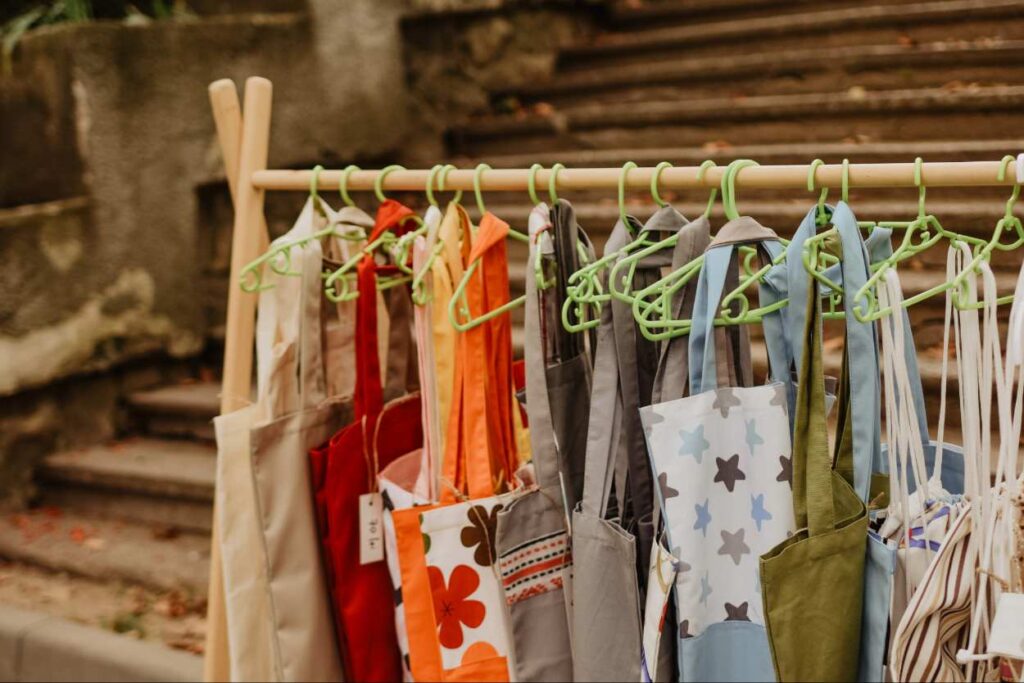
3. Tote Bags

Why it’s trending:

Sustainability meets style. Fabric tote bags are replacing disposable bags, and custom designs make them perfect gifts. 

Selling opportunities:

  • Online print-on-demand platforms or handmade markets.
  • Local gift shops.
  • Bundled gift sets (e.g. “bag and candle” pairings). 

Safety considerations:

If printing, ensure inks are non-toxic and colourfast. Wash-testing your designs is advisable. 

How to specialise:

Offer hand-painted designs, bold slogans, or upcycled fabrics. 

What successful sellers are doing:

Social sellers on Instagram and TikTok use “design reveals” or timelapse videos to showcase artistry and process, key for engagement.


4. Jewellery

Why it’s trending:

Personalised and handmade jewellery remains a timeless gift choice. Buyers love meaning from birthstones to initials. 

Selling opportunities:

  • Etsy, Shopify, and boutique pop-ups.
  • Partnerships with local fashion or gift stores. 

Safety considerations:

If items touch the skin, disclose all materials and avoid allergens. Make sure clasps and joins are secure. 

How to specialise:

Focus on one material or story; recycled silver, hand-stamped messages, or minimalist pieces. 

What successful sellers are doing:

Clean product photography with neutral backgrounds and lifestyle shots (e.g. jewellery worn in natural light) help pieces stand out online.


5. Beauty products

Why it’s trending:

Consumers want self-care products that are kind to both skin and the planet. Handmade soaps, scrubs, and balms make great gifts, something individuals might not buy for themselves. 

Selling opportunities:

  • Online shops or craft fairs.
  • Subscription boxes or spa gift collaborations. 

Safety considerations:

Follow UK cosmetic regulations, including ingredient safety assessments and labelling. 

How to specialise:

Use botanical ingredients, create themed sets (e.g. “Winter Calm”), or package with reusable containers. 

What successful sellers are doing:

Brands are focusing on transparency and eco values sharing ingredient stories and small-batch processes through video content.


6. Ceramics

Why it’s trending:

The slow-living movement has renewed love for pottery. Handmade mugs, vases, and ornaments are top seasonal sellers. 

Selling opportunities:

  • Local galleries, pop-up shops, and Etsy.
  • Open studio events or pottery markets. 

Safety considerations:

Ensure glazes are food-safe and that kiln-fired pieces meet temperature standards for intended use. 

How to specialise:

Create a signature glaze or focus on a product line (mugs, planters, seasonal décor). 

What successful sellers are doing:

Soft-toned photography and story-led branding (“From clay to cup”) connect with buyers seeking authenticity.


7. Cards & Stationery

Why it’s trending:

Digital fatigue has made physical cards feel more special. Handmade cards and planners are meaningful and can be eco-conscious. 

Selling opportunities:

  • Etsy, Not On The High Street, and local gift shops.
  • Holiday markets and personalised order commissions. 

Safety considerations:

Use recyclable materials and avoid glitter that isn’t biodegradable. 

How to specialise:

Offer custom messages, illustrations, or limited-edition holiday prints. 

What successful sellers are doing:

Many sellers share “process reels” showing hand-lettering or printing techniques connecting craft with emotion.


8. Soap & Bath Bombs

Why it’s trending:

Affordable indulgence is ideal for gifts. Handmade bath items are perfect stocking fillers and self-care treats. 

Selling opportunities:

  • Etsy, Shopify, or local gift boxes.
  • Markets and pamper events. 

Safety considerations:

You’ll need Cosmetic Product Safety Reports (CPSRs), batch records, and labelling. 

How to specialise:

Create themed scents (“Gingerbread Dreams”) or unique shapes and colours. 

What successful sellers are doing:

Eye-catching visuals and playful packaging help products stand out in busy marketplaces.


9. Customised T-Shirts

Why it’s trending:

Personalised fashion has had momentum for a while, from slogans to embroidered designs. 

Selling opportunities:

  • Print-on-demand services.
  • Etsy or social media-driven shops. 

Safety considerations:

Ensure inks and transfers are compliant with safety standards and suitable for fabric type. 

How to specialise:

Offer humour, niche communities (e.g. book lovers, dog mums), or local pride designs. 

What successful sellers are doing:

TikTok creators use “reaction-style” videos where they print orders live are an engaging sales driver.


10. Textiles: Knitted, crocheted & woven creations

Why it’s trending:

Cosy, nostalgic crafts are back. Handmade scarves, blankets, and beanies feel comforting and personal.

Selling opportunities:

  • Christmas markets and Etsy.
  • Instagram shops or local pop-ups. 

Safety considerations:

Use quality yarns and include care instructions. Avoid loose fibres for baby items. 

How to specialise:

Develop a signature palette, pattern, or theme (e.g. “Scandi knits” or “retro crochet”). 

What successful sellers are doing:

Sellers who share the “story behind the stitches” – photos, patterns, or timelapses to attract loyal followers.


Emerging craft trends for 2025–26

Looking ahead, a few shifts are already taking shape:

  • Digital craft fusion: Using AI tools for pattern design or product mock-ups.
  • DIY-at-home kits: Craft kits for gifting or learning new skills.
  • Upcycled fashion: Turning pre-loved fabrics into new designs.
  • Functional décor: Practical handmade pieces with modern style.

Exploring these now could give you an edge in next year’s market.


Selling smart this Christmas

To make the most of the festive rush:

  • Start early: List products by late October, early November to capture early shoppers.
  • Optimise listings: Use clear titles, natural lighting for photos, and detailed descriptions.
  • Promote on social media: Short videos and gift guides perform well on TikTok and Instagram.
  • Plan your stock: Focus on bestsellers and bundle items to increase order value.


Safety & legality for confidence

Selling to the public brings responsibility. Here are some basics:

  • Check any labelling or testing requirements for your category (especially cosmetics and candles).
  • Consider public liability insurance for markets or fairs.
  • Be transparent about materials, allergens, and care instructions.

Taking the time to do this properly builds trust — and protects your growing business.


Finding your niche

Successful handmade sellers stand out through consistency in their product range, photography, and tone.

  • Tell your story: Why you started making what you make.
  • Keep your visuals cohesive: Use a simple backdrop and natural light.
  • Offer great service: Quick communication and thoughtful packaging go a long way.

Your handmade brand is more than the product and you should share what makes you different.

Explore more: Why your small business needs a niche →


Crafting a merry and meaningful Christmas…

Handmade selling isn’t just about profit – it’s about sharing creativity and connection. This Christmas, thousands of shoppers will choose gifts made by people, not factories.

Whether you’re pouring candles, knitting scarves, or printing t-shirts, your craft has a place in that story.

Take your time, plan ahead, and enjoy the making!


Specialist Crafters Insurance from Protectivity

Be sure to consider specialist Crafters Insurance from Protectivity

Getting the right insurance will help you to preserve your brand reputation and protect your finances, reassuring you to focus on doing the work you love.

Protectivity’s crafters insurance is designed to support you as you grow your new business. Our specialist insurance includes public liability, employers’ liability, products liability and equipment and stock cover. If you’re planning to sell your crafts at fairs, take a look at our craft fair public liability insurance here.

Find out more and get an online quote suited to your business.


*Disclaimer – This blog has been created as general information and should not be taken as advice. Make sure you have the correct level of insurance for your requirements and always review policy documentation. Information is factually accurate at the time of publishing but may have become out of date.