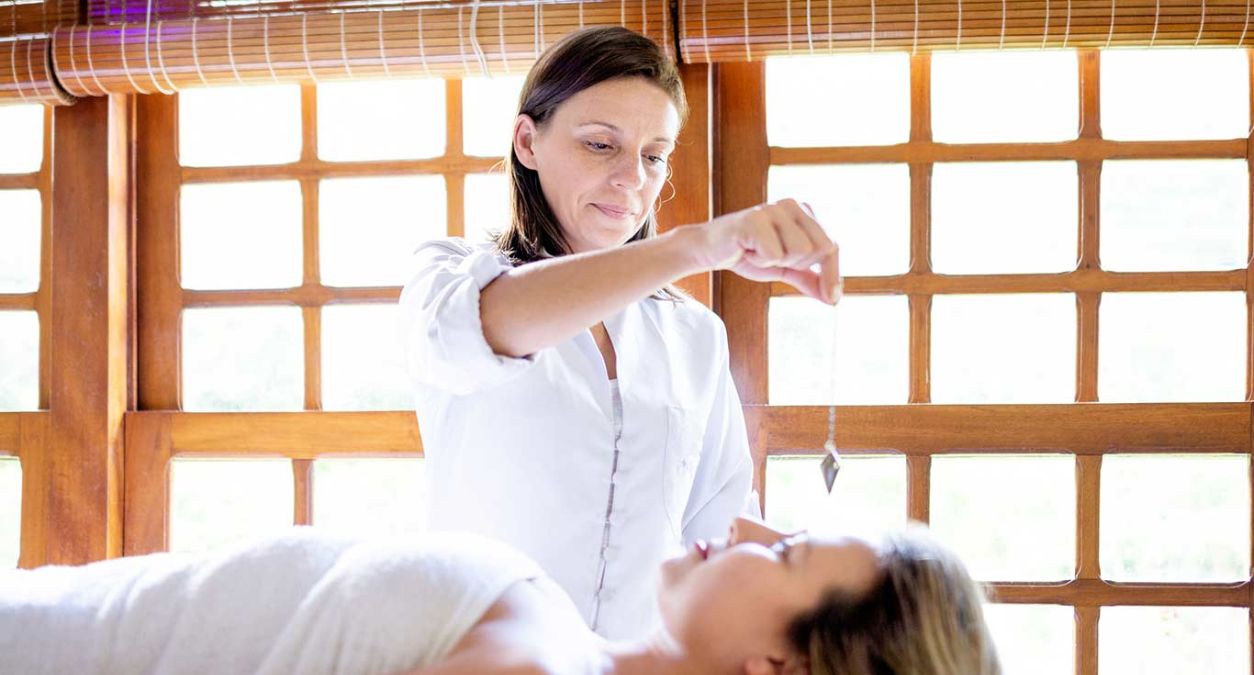




When operating any form of business, it is important to recognise the requirements around licensing. And if you are offering any form of holistic treatments such as reiki, massage or reflexology, there is a chance you may require a therapy licence.

However, it’s not a straightforward answer. Not everyone will require a licence to practice their chosen therapy. The necessity will depend on your location and treatments offered, with business licensing matters handled by local authorities.

That’s why your local council is always the best place to find out if you need a licence to practice.


Different types of licence

Many regions will not require you to attain any licence to carry out therapy treatments, other than for you to register your business with HMRC.

As well as your location being a factor, the treatments you offer will have some form of impact. For example, if you are carrying out any form of acupuncture, where you are piercing a client’s skin, it is more than likely that you will require a licence of some form.

Often this is bundled together with massage treatments with a Massage and Special Treatments Licence.


Massage and Special Treatments Licence

This type of licensing requirement is commonplace in London, with many boroughs in the capital providing this service.

Usually, the local authority will require you to have obtained a nationally recognised qualification in the services you are offer. This could be a City and Guilds, an NVQ or the equivalent, but must meet the National Occupational Standards.

Sometimes, if you are a member of an organised body, an exemption can be made. This is the case for members of The Federation of Holistic Therapists and British Reflexology Association as well as many others. However, it is always best to check with your local council in the first instance.

The cost of a Massage and Special Treatments Licence, again, can vary. Fees can range from around £180 if you are offering treatments such as manicures and pedicures to over £700 for some of the more invasive treatments.


Special Treatments Premises Licence

Like the Massage and Special Treatments Licence, this document is more commonly required within London. The Special Treatments Premises Licence is designed, as the name suggests, to cover the premises that the treatment is being offered, as opposed to the individual therapist.

Massage treatments, as well as a number of beauty-related treatments fall under this licensing requirements. Like the therapy licence for the individual therapist, there are often exclusions for members of  some organisations.

It’s important to remember that unlike some other business licenses, tacit consent is unlikely to apply. That means, that whereby some licensing processes will allow you to practice while at the application stage, you will not be able to practice until you are given this licence.


Awareness is key

While many treatments covered by Protectivity’s Therapist Insurance will not require you to obtain a license, checking with your local council is so important.

If you are found to be providing a service that you are unlicensed for, you could be liable for a hefty fine, and the revocation of your right to trade as a business. Although licensing issues can be confusing or time-consuming, ignorance is unlikely to be taken as an acceptable excuse.

At Protectivity, we provide a wide range of what we believe are cost-effective insurance solutions for therapy professionals including Reiki InsuranceCounselling InsuranceMassage Insurance and many more. To see if your speciality can be covered, just visit our Therapy Insurance page and input your technique into the quote box. If we can cover the activity, we will provide you with an instant price.


Get Therapist Insurance from Protectivity


*Disclaimer – This blog has been created as general information and should not be taken as advice. Make sure you have the correct level of insurance for your requirements and always review policy documentation. Information is factually accurate at the time of publishing but may have become out of date. 

As a therapist it is important to understand what your therapy insurance policy covers. As well as including a range of differing benefits most policies will include coverage for a large number of therapy treatments.

These activities stretch far and wide and aim to deal with client’s issues and grievances with a variety of different techniques.

At Protectivity, our Therapist Insurance policy can provide cover for over 250 different treatments. These can generally be grouped together by treatment types, to best illustrate the cover we can provide.

Here are just some of the treatment types available with our cover:


Massage therapy

The most common type of massage practised by the therapists that we cover, with a wide range of varieties in itself. From Thai Massage to No Hands Massage, we can provide cover for massage therapists providing dozens of different services.

Each policy provides public liability cover in case of injury caused to a client, perhaps through a over-zealous massage or due to a negative reaction to the oils you choose to use.


Yoga therapy

The popularity of yoga in this country is growing. One source estimated that up to 460,000 people participate in the exercise on a regular basis in the UK, and it appears that the power of yoga is now being embraced by therapists.

Using yoga to help alleviate aches, pains and other ailments, yoga therapy practitioners are becoming commonplace.

Variants covered under Protectivity’s Therapy Insurance product include laughter yoga, baby yoga and Thai yoga, as well as the more traditional method.


Spiritual therapy

A huge group of therapy practices, therapists that focus on the spiritual side of things make up a large portion of Protectivity customers. Activities that fall into this therapy type include angel card reading, mediumship and treatment using chakra healing stones.

Under our policy, we provide cover for professional indemnity. This would protect a therapist should any of the advice they give lead to a client suffering an injury to themselves.


Counselling

When we say the word ‘therapy’, counselling may be the immediate practice that springs to mind. Talking through our problems is something that is being encouraged more and more prominently in everyday life, and those who provide these services should ensure they have adequate cover.

A range of different counselling techniques such as addiction counselling and psycho-therapeutic counselling can be covered by our counsellor insurance policy.


Cognitive Behavioural Therapy (CBT)

Another therapy type that is more focused on mental health is cognitive behavioural therapy. Like counselling, CBT can be implemented to help clients deal with a huge range of stresses in their day-to-day lives, through a variety of techniques and therapy treatments.

Activities such as mindfulness therapy, stress management and smoking cessation can all be covered under Protectivity’s Cognitive Behavioural Therapy.


Art therapy

The use of art therapy is another way that could help their clients. Implementing art based activities in a therapeutic environment, art therapists provide a safe space for individuals to express their problems and stresses in the form of art.

Other arts that can be used in a therapy environment include dance therapy and play therapy which helps people to express themselves in a way that helps their mental well-being.

With over 250 individual therapy treatments covered under Protectivity’s policy we haven’t listed them all in this blog. To see if your speciality can be covered, just visit our Therapy Insurance page and input your technique into the quote box. If we can cover the activity, we will provide you with an instant price.


Get Therapist Insurance from Protectivity


*Disclaimer – This blog has been created as general information and should not be taken as advice. Make sure you have the correct level of insurance for your requirements and always review policy documentation. Information is factually accurate at the time of publishing but may have become out of date. 

If your starting out your journey to becoming a therapist, it’s inevitable that you will planning to undertake some training. There are a plethora of therapy courses out there and knowing which ones you should take can be a daunting decision.

Depending on what type of therapy you will be practising it may be that you don’t need to have any qualifications to legal practice that activity. As most types of therapy are likely to have their own governing body or association, it is worth checking with your relevant body to see what standards they require you to meet.

Reiki practitioners, for example, don’t necessarily need any formal training to operate. However, attempting to market yourself as a reiki therapist may be a bit tricky if you do not have any educational collateral to your name.

Training courses can be found on a number of online databases. These can be searched by your local area and sometimes by your current skill level. HotCourses and UCAS are just a couple of resources that you can find a training module to suit you.


Joining an organisation

Generally, the need for specialist therapist qualifications become strengthen when you wish to become a member of a professional body. The UK Reiki Federation are no different in this case.

Should you wish to join as an ‘Associate’ or ‘Practitioner’ member, you are required to hold a minimum of a Reiki 1 and Reiki 2 certificate respectively.

Similarly to become a ‘Professional’ member of the National Association of Massage Therapists one must hold at a qualification to the level of ITEC Level 3 Massage at the bare minimum.

Perhaps one of the most intensive training processes in the therapy industry is bestowed upon would-be counsellors and psychotherapists. The British Association for Counselling and Psychotherapy (BACP) recommends a three step approach to any training.

Introduction

Firstly, they recommend taking an introductory course into the subject of counselling and what becoming a therapist is all about. Here you will get an idea about the level of commitment a career in therapy would require.

Certification in counselling

The BACP then suggests that the next step of counselling training is to seek out a local college, university or adult education centre to learn the required skills to succeed as a counsellor or psychotherapist. These courses will generally give you an understanding of the advice you will be giving, and the theories that surround them.

Core practitioner training

The third step in the transition to becoming a therapist in the eyes of the BACP and many other organisational bodies is to take an accredited course. This is likely to be at a Bachelors or Masters degree level and will provide you with an in-depth knowledge of the advice and treatment you should be giving. It will flesh out your understanding and leave you in the best place to deliver your therapy treatment of choice.

Although this three step approach is specifically referenced by the BACP, it is a useful approach to take whether you are a psychotherapist, massage therapist or chakra stone healer.

By having specific therapist qualifications to your name, you improve your chances to succeed two-fold.

Firstly you increase your level of knowledge and skill level in your chosen profession. But secondly, you can also put your customers and clients into a better position where they trust you to deliver the service they require. By improving their trust and satisfaction, you also increase the chance of them referring you to their friends and associates.

At Protectivity, we provide a wide range of what we believe are cost-effective insurance solutions for therapy professionals including Reiki InsuranceCounselling InsuranceMassage Insurance and many more. To see if your speciality can be covered, just visit our Therapy Insurance page and input your technique into the quote box. If we can cover the activity, we will provide you with an instant price.

Get Therapist Insurance from Protectivity


*Disclaimer – This blog has been created as general information and should not be taken as advice. Make sure you have the correct level of insurance for your requirements and always review policy documentation. Information is factually accurate at the time of publishing but may have become out of date.